

Best Coffee Beans for Cold Brew Concentrate (2026)
Table of Contents
- What Makes a Bean Great for Cold Brew Concentrate
- Quick Comparison: Hall's Coffee & Tea Cold Brew Picks
- 1. Cold Brew Coffee (Dark French Roast Blend)
- 2. Cold Brew Coffee (Medium Roast Blend)
- 3. Bali Blue Single-Origin
- 4. Brazil Santos Single-Origin
- 5. Colombia Single-Origin
- 6. Guatemala Single-Origin
- How to Make Cold Brew Concentrate at Home
- Cold Brew Coffee Grind Size
- How Long to Steep Cold Brew
- How to Store Cold Brew Beans
- Troubleshooting Bitter or Sour Concentrate
- Frequently Asked Questions
Last Updated: October 2, 2026
What Makes a Bean Great for Cold Brew Concentrate
Cold brew concentrate is an immersion brewing method that steeps coarse coffee grounds in cold water for 12 to 18 hours, producing a dense liquid you dilute before drinking. Because cold water extracts slowly and gently, the best coffee beans for cold brew concentrate share three traits: a coarse grind, low acidity, and flavors that hold up when diluted. This guide from Hall's Coffee & Tea breaks down roast level, origin, and processing so you can choose with confidence.

Here's what most guides skip: cold brew doesn't reward delicate, tea-like beans the way a pour-over does. It rewards body, sweetness, and chocolatey depth. That single insight should guide every bag you buy.
The good news is that Hall's Coffee & Tea ships all orders free within the United States.
Roast Level and Why It Matters
Medium and medium-dark roasts are the sweet spot for cold brew concentrate. They carry enough caramelized sugar to taste sweet without dilution, while dark roasts push smokiness and bitterness that get amplified over a long steep.
Light roasts can work, but their fruity, floral notes often fade in cold water. If you love a bright, fruity cup, save those beans for hot brewing and pick a medium roast for your concentrate instead.
Single-Origin vs. Blend for Cold Brew
Single-origin beans give you a clear, traceable flavor profile: one region, one processing method, one story. Blends, by contrast, are built for balance, and a blend designed specifically for cold brew removes the guesswork entirely.
Which should you choose? If you want to taste what a specific region does in cold water, go single-origin. If you want a reliable, repeatable concentrate every single time, start with a blend.
Quick Comparison: Hall's Coffee & Tea Cold Brew Picks
| Coffee | Roast | Tasting Notes | Best For |
|---|---|---|---|
| Cold Brew (Dark French Roast Blend) | Dark | Bold, classic cold brew | Traditional iced coffee |
| Cold Brew (Medium Roast Blend) | Medium | Chocolate, toffee, floral | Nitro and smooth sipping |
| Bali Blue | Med-dark | Dark chocolate, molasses | Rich, syrupy concentrate |
| Brazil Santos | Medium | Cocoa, elegant, smooth | Everyday smoothness |
| Colombia | Medium | Dried orange, berry, chocolate | Balanced complexity |
| Guatemala | Medium | Dark chocolate, fruit, butterscotch | Bright, layered cups |
1. Cold Brew Coffee (Dark French Roast Blend)
Our top pick for a classic, bold concentrate is this dark French roast blend, built specifically for cold brew with very coarse grounds already in mind. It contains nothing artificial, just 100% coffee.

Pros: Purpose-built for cold brew, coarse grind, bold flavor that survives dilution. Cons: Dark roast fans only. If you prefer bright, fruity notes, look further down this list.
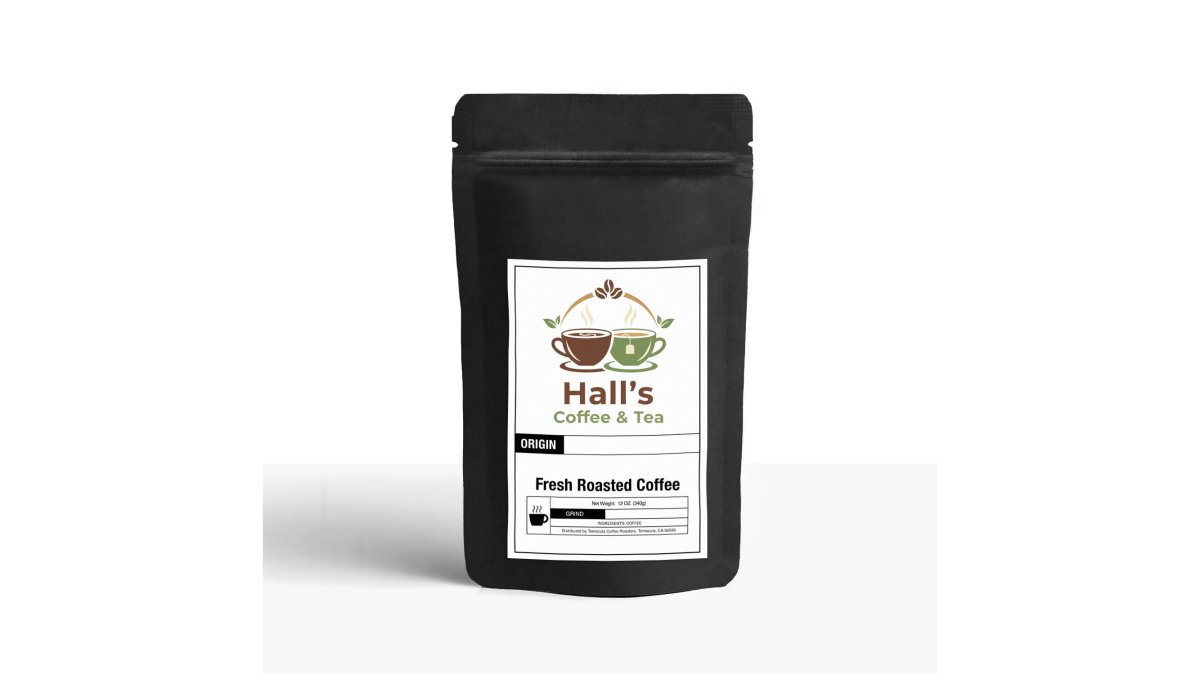
2. Cold Brew Coffee (Medium Roast Blend)
Medium roast fans get a smoother option with chocolate, toffee, and floral tones. This blend works equally well for cold brew or nitro, making it the most versatile pick here.
Pros: Balanced sweetness, nitro-friendly, approachable for beginners. Cons: Less punch than the French roast if you like an intense, bitter edge.
3. Bali Blue Single-Origin
Grown by smallholder farmers in Kintamani, Bali, this medium-dark bean brings dark chocolate, molasses, and brown sugar to the cup. It's wet-hulled and dried on raised beds, a processing method that builds the syrupy body cold brew loves.
Pros: Deep, dessert-like sweetness, volcanic soil complexity. Cons: The med-dark roast means less acidity, so skip it if you want brightness.
4. Brazil Santos Single-Origin
An elegant, smooth cup with cocoa notes, Brazil Santos comes from Fazenda Santa Barbara and surrounding farms in Parana and Sao Paulo. It's pulped natural and sun-dried, which rounds off the acidity.

Pros: Exceptionally smooth, low bitterness, great for daily drinking. Cons: Subtle. It won't stand out in a heavily flavored drink.
5. Colombia Single-Origin
Dried orange, berry, and chocolate define this medium roast from smallholder farmers near Medellin. It's fully washed and dried in solar dryers, protecting the beans from rain and preserving clarity.
Pros: Balanced complexity, a little fruit to keep things interesting. Cons: The berry notes soften in a long steep, so don't over-extract it.
6. Guatemala Single-Origin
Dark chocolate, bright fruit, and butterscotch come together in this medium roast from Antigua. Fully washed and sun-dried, it's the most layered single-origin on this list.
Pros: Bright yet rich, butterscotch sweetness, great for concentrate. Cons: The bright fruit fades if you dilute too aggressively.
How to Make Cold Brew Concentrate at Home
Making cold brew concentrate at home takes about 12 to 18 hours of steeping and roughly 5 minutes of active work. The standard starting ratio is 1 part coffee to 4 parts water by weight, which yields a concentrate you dilute 1:1 or 1:2 before drinking.
The steps are simple:
- Weigh 100 grams of coarsely ground coffee.
- Add 400 grams of cold, filtered water.
- Stir gently to saturate all the grounds.
- Cover and steep at room temperature or in the fridge for 12 to 18 hours.
- Strain through a fine mesh sieve lined with a coffee filter.
- Store the concentrate in a sealed jar in the fridge.
The biggest mistake is grinding too fine. A coarse grind, roughly the texture of sea salt, keeps the extraction clean.
Cold Brew Coffee Grind Size
Cold brew coffee grind size should be coarse, similar to raw sugar or sea salt. A coarse grind slows extraction during the long steep, which prevents bitterness and makes straining far easier.
If your concentrate tastes muddy or clogs your filter, your grind is too fine. If it tastes weak and watery after 18 hours, your grind is too coarse. Adjust in small steps and keep notes.
How Long to Steep Cold Brew
How long to steep cold brew depends on temperature and grind. At room temperature, 12 to 15 hours is typical. In the fridge, you can push to 18 hours for a smoother, less acidic result.
Steeping longer than 20 hours rarely helps. Past that point, you extract harsh, woody compounds that no amount of dilution fixes. Taste at 12 hours, then every 2 hours after, until you hit the flavor you want.
How to Store Cold Brew Beans
Store cold brew beans in an airtight container away from light, heat, and moisture. Whole beans keep their aroma far longer than pre-ground.
A few storage rules that actually matter:
- Keep beans in an opaque, sealed container.
- Store at room temperature, not the fridge, which introduces condensation.
- Buy in smaller quantities if you brew weekly rather than daily.
- Label the roast date and use beans within a few weeks for peak flavor.
Troubleshooting Bitter or Sour Concentrate
Choosing the right beans for cold brew concentrate comes down to matching roast and origin to the cup you actually want. Whether you crave the bold punch of a French roast blend or the layered sweetness of a Guatemala single-origin, Hall's Coffee & Tea sources each bag with care and ships it free within the United States. Start with our purpose-built Cold Brew blends, or explore the single-origin lineup to find your perfect steep. Get started with Hall's Coffee & Tea and turn your morning routine into a moment worth savoring.
Frequently Asked Questions
Which coffee beans are best for cold brew?
Medium to dark roast beans with a coarse grind work best for cold brew concentrate. Hall's Coffee & Tea offers several options: the dark French roast Cold Brew Coffee blend for bold, chocolatey notes, or single-origin beans like Brazil Santos for a smooth, cocoa-forward cup. Coarse grounds prevent bitterness during the long steeping process.
What grind size should I use for cold brew concentrate?
Use a coarse grind, similar to sea salt or raw sugar. Cold brew coffee grind size matters because fine grounds over-extract during the 12-18 hour steep. Hall's Cold Brew Coffee comes pre-ground at a very coarse setting, so you can brew without a grinder. If grinding at home, aim for uniform coarse particles.
How long should I steep cold brew concentrate?
Steep cold brew concentrate for 12 to 18 hours at room temperature or up to 24 hours in the refrigerator. Shorter steeping (12 hours) yields a lighter, brighter concentrate; longer steeping (18 hours) produces a richer, bolder flavor. Taste after 12 hours and adjust to your preference. Strain through a fine-mesh sieve or cheesecloth.
Should I use single-origin or blends for cold brew?
Both work well. Blends like Hall's Cold Brew Coffee are formulated for consistent flavor, while single-origin beans offer distinct tasting notes. Try Bali Blue for dark chocolate and molasses, Colombia for dried orange and berry, or Sumatra for earthy, syrupy body. Single-origin lets you explore how processing methods and regional characteristics shape your concentrate.
Does roast level matter for cold brew concentrate?
Yes. Dark roasts extract faster and deliver bold, chocolatey, nutty flavors with lower acidity. Medium roasts offer balanced sweetness and fruity notes. For concentrate, a medium-dark roast like Hall's Bali Blue provides rich body without overwhelming bitterness. Lighter roasts can have a different flavor profile in cold brew because cold water extracts fewer bright acids.
