

Best Single Origin Coffee for Beginners: 2026 Guide
Table of Contents
- Quick Comparison: Best Single Origin Coffees for Beginners
- What Makes Single Origin Coffee Different from Blends?
- Coffee Flavor Notes Explained: A Beginner's Guide to Tasting
-
Top Single Origin Coffees for Beginners: Region-by-Region Picks
- Brazil Santos: Smooth and Chocolatey
- Colombia: Balanced with Dried Orange and Berry
- Ethiopia Natural: Fruity and Floral for the Adventurous
- Guatemala: Dark Chocolate and Butterscotch
- Mexico: Chocolate and Cinnamon Comfort
- Peru: Silky Sweet with Citrus
- Bali Blue: Bold and Molasses-Rich
- Single Origin Favorites Sample Pack: Try Six at Once
- How to Brew Single Origin Coffee to Taste Every Note
- Budget-Friendly vs. Premium Entry Points for Beginners
- Troubleshooting Sour or Bitter Single Origin Coffee
- Conclusion: Your First Step into Single Origin Coffee
- Frequently Asked Questions
Last Updated: September 17, 2026
Quick Comparison: Best Single Origin Coffees for Beginners
The best single origin coffee for beginners is a medium roast from a well-known region, and Brazil Santos is the easiest starting point: smooth, cocoa-forward, and forgiving of brewing mistakes. This guide from Hall's Coffee & Tea breaks down eight beginner-friendly origins and how to brew them.

| Coffee | Roast | Tasting Notes | Best For |
|---|---|---|---|
| Brazil Santos | Medium | Cocoa, smooth | First-timers who want familiar flavor |
| Colombia | Medium | Dried orange, berry, chocolate | Balanced everyday drinking |
| Ethiopia Natural | Medium-light | Milk chocolate, fruity, caramel | Adventurous palates |
| Guatemala | Medium | Dark chocolate, butterscotch | Dessert-like sweetness |
| Mexico | Medium | Chocolate, cinnamon, green apple | Cozy, spiced comfort |
| Peru | Medium | Salted caramel, citrus | Silky, sweet cups |
| Bali Blue | Medium-dark | Dark chocolate, molasses | Bold, low-acidity drinkers |
| Sample Pack | Mixed | Six origins at once | Testing before committing |
What Makes Single Origin Coffee Different from Blends?
Single origin coffee comes from one defined place, while a blend combines beans from multiple regions for a consistent, balanced flavor. A blend is engineered for consistency; a single origin is bottled geography.
Coffee Flavor Notes Explained: A Beginner's Guide to Tasting
Flavor notes are the tastes a coffee reminds you of, not added ingredients. When a label says "dried orange and berry," it means the coffee's natural acidity and sweetness resemble those fruits. Naming what you taste is the fastest way to find coffee you love.
Why Single Origin Coffee Tastes More Acidic Than Blends
This is the biggest surprise for beginners. Acidity in coffee is not the sourness of a lemon; it is a measurable brightness created by organic acids, primarily citric, malic, and chlorogenic, that develop as the bean grows. Higher altitude and slower cherry maturation produce more of them, which is why an Ethiopian grown at 1,700 to 1,900 meters tastes like berries and citrus, while a Brazil grown at 750 to 1,050 meters tastes like cocoa and nuts.
The Beginner Mistake: Reading Acidity as 'Bad'
If your first single origin tastes sharp or almost sour, you'll assume the coffee is bad. It usually isn't. Two very different things are happening, and they require opposite fixes:
- Pleasant acidity shows up as fruit, citrus, or a tea-like zing that fades into sweetness. This is the coffee working as intended.
- Unpleasant sourness shows up as a thin, hollow, almost vinegar-like bite with no sweetness behind it. This is almost always under-extraction, a brewing problem, not a bean problem.
How to Train Your Palate in Two Weeks
Naming flavors is a skill that improves with repetition. A few habits accelerate it:
- Taste side by side. Brew two origins the same way and compare. Contrast teaches faster than any single cup.
- Slurp, don't sip. Drawing coffee across your palate with air pushes aroma to the back of your nose, where most flavor lives.
- Write down the first three things each cup reminds you of. "Toast," "raisin," "orange peel" is plenty.
- Cool the cup. Many fruity and floral notes only appear as coffee drops from hot to warm.
- Keep a simple log. Note the origin, brew method, and one word for how it tasted. After ten cups you'll see your own pattern.
Top Single Origin Coffees for Beginners: Region-by-Region Picks
Every coffee below is a medium or medium-light roast, which keeps flavors approachable and brewing forgiving. Here's where to start.
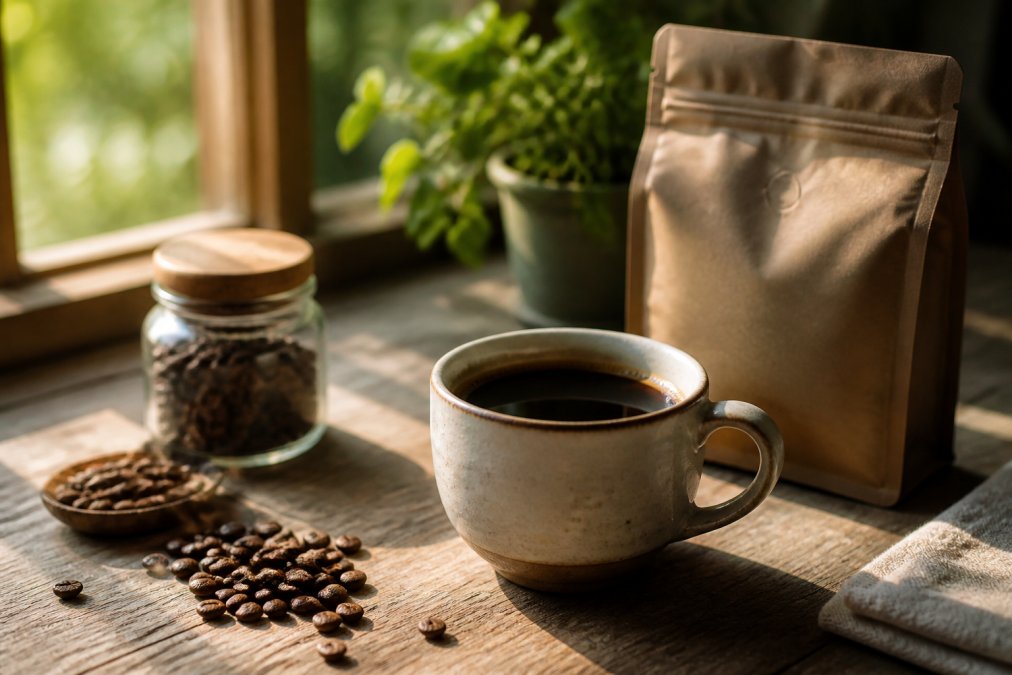
Brazil Santos: Smooth and Chocolatey
Brazil Santos is the safest first step off grocery store blends: an elegant, smooth cup with cocoa notes, grown by Fazenda Santa Barbara across Parana and Sao Paulo at 750 to 1,050 meters. The pulped natural process and Catuai and Mundo Novo varieties keep it mellow and nutty rather than sharp.
Colombia: Balanced with Dried Orange and Berry
Colombia is the classic all-rounder, delivering dried orange, berry, and chocolate in a balanced cup. Smallholder farmers around Medellin grow Castillo, Caturra, Colombia, and Typica at 1,300 to 1,500 meters, fully washed and dried in solar dryers. Sweet, clean, and hard to brew badly, it's the reliable daily drinker here.
Ethiopia Natural: Fruity and Floral for the Adventurous
Ethiopia is where coffee began, and the natural process shows why. This medium-light roast brings milk chocolate, fruity, and caramel notes from indigenous heirloom cultivars grown in the Sidama zone at 1,700 to 1,900 meters. Hand-sorted and dried on raised beds, it produces the fruit-forward cup Ethiopia is famous for.
Guatemala: Dark Chocolate and Butterscotch
Guatemala Antigua is the dessert of the group. Smallholder farmers grow Bourbon, Catuai, Caturra, and Typica at 1,200 to 1,616 meters in volcanic loam, fully washed and sun dried. The result is dark chocolate and butterscotch with a bright fruit edge, an excellent bridge for anyone who likes darker, sweeter coffee but wants more clarity than a blend.

Mexico: Chocolate and Cinnamon Comfort
Mexico is the cozy pick. Grown across Chiapas and Oaxaca at 900 to 1,000 meters, this medium roast tastes of chocolate, cinnamon, and green apple. The fully washed, sun-dried process keeps the cup clean and gentle, and lower altitude means softer acidity, an easy one to love if bright, tangy coffee has never appealed to you.
Peru: Silky Sweet with Citrus
Peru is the sleeper on this list. The Cooperativa Agricola de Servicios Norandino grows Caturra, Bourbon, Catuai, Pache, and Catimor at 1,100 to 1,700 meters, fully washed and sun dried. Expect salted caramel, silky sweetness, and a citrus lift, rounded and smooth without being boring.
Bali Blue: Bold and Molasses-Rich
Bali Blue is for drinkers who want heft. This medium-dark roast from smallholder farmers in Kintamani, grown at 1,200 to 1,600 meters, brings dark chocolate, molasses, and brown sugar. Hand picked, wet-hulled, and dried on raised beds, it produces a bold, low-acidity cup.
Single Origin Favorites Sample Pack: Try Six at Once
The Sample Pack is the smartest way to skip the guesswork. Six 2-ounce packs of Brazil Santos, Colombia, Costa Rica, Ethiopia, Honduras, and Tanzania let you taste a whole world of coffee before committing to a full bag. It's the fastest path from "I think I like coffee" to "I know I like Ethiopian naturals."
How to Brew Single Origin Coffee to Taste Every Note
To taste a single origin properly, match your brewing method to the roast and keep your grind fresh and consistent. The wrong method flattens even a great bean; the right one makes a $19 bag taste like a $30 cup.
Match the Bean to the Brewer
Different brewers extract differently, which changes which flavors land in your cup. Here's how the origins in this guide map to gear:
- Pour-over (V60, Chemex, Kalita): Best for Ethiopia, Peru, and Colombia, where you want clarity and aroma. Paper filters trap oils for a cleaner, brighter cup that lets fruit and floral notes through. Use a medium grind and a 1:16 ratio (about 22 grams of coffee to 350 grams of water).
- French press: Best for Brazil, Bali Blue, and Mexico. Full immersion and a metal mesh filter keep oils in, building body and sweetness. Use a coarse grind so the mesh doesn't clog, and a 1:15 ratio for a heavier cup.
- Drip machine: Fine for any of these, especially if convenience matters most. Medium grind, and don't let the coffee sit on the hot plate, a thermal carafe keeps it from turning bitter after 20 minutes.
- AeroPress: A forgiving middle ground for beginners. Medium-fine grind, short steep, easy cleanup. It handles bright and bold beans well, making it a good first brewer if you haven't picked an origin yet.
The Numbers That Actually Matter
Most beginner cups go wrong on three variables. Get these in range and you're 90 percent of the way there:

- Water temperature: 195°F to 205°F for medium and medium-light roasts. Below 195°F under-extracts and tastes sour; above 205°F scorches the grounds and tastes bitter. Without a thermometer, boil water and let it sit 30 to 45 seconds before pouring.
- Ratio: Start at 1:16 by weight (one part coffee to sixteen parts water), roughly 2 tablespoons per 6 ounces of water, though a kitchen scale is far more accurate and costs less than a bag of beans.
- Grind: Adjust last, in small steps. A burr grinder produces even particles; a blade grinder produces dust and boulders that brew unevenly no matter what else you do.
The Two Habits That Matter More Than Equipment
Buy freshly roasted beans and grind just before brewing. Coffee stales within weeks of roasting, and pre-ground coffee loses most aromatics within days. Look for a roast date on the bag, not just a best-by date.
Dialing In: One Change at a Time
If your first cup isn't great, don't change everything at once. Pick one variable, adjust it, and taste again:
- Too sour or weak? Grind finer, or raise water temperature by 5°F.
- Too bitter or harsh? Grind coarser, or lower water temperature by 5°F.
- Just right but thin? Increase coffee by 1 gram and keep everything else the same.
Budget-Friendly vs. Premium Entry Points for Beginners
You don't need to spend much to start drinking single origin coffee well. Every full-size bag in this lineup is $18.99, and the Sample Pack is $25.00 for six 2-ounce portions, the budget and premium entry points are the same beans, just in different quantities.
Troubleshooting Sour or Bitter Single Origin Coffee
Sour and bitter cups are almost always a brewing problem, not a bean problem. Sour means under-extraction: the water didn't pull enough flavor from the grounds. Bitter means over-extraction: it pulled too much. Both are fixable in one brewing session.
If your coffee tastes sour or weak:
- Grind finer. This is the single biggest lever.
- Raise your water temperature toward the upper end of your brewer's range.
- Extend your brew time slightly.
If your coffee tastes bitter, harsh, or dry:
- Grind coarser.
- Lower your water temperature a few degrees.
- Shorten your brew time.
Conclusion: Your First Step into Single Origin Coffee
The best single origin coffee for beginners is the one you'll actually brew, and the easiest way to find it is to taste several before you commit. Hall's Coffee & Tea built the Single Origin Favorites Sample Pack for exactly that: six 2-ounce portions, $25.00, so you can discover whether you're a chocolate-and-caramel drinker or a bright, fruity one.
Frequently Asked Questions
What is the easiest single origin coffee for a beginner to start with?
Brazil Santos is often the easiest starting point because its medium roast and smooth cocoa notes appeal to palates accustomed to grocery store blends. It has low acidity and a familiar chocolatey profile. Colombia is another safe choice with balanced dried orange and berry notes. Both are forgiving across brewing methods like drip or French press, so you can focus on technique without fighting strong flavors.
How does single origin coffee differ from a coffee blend?
Single origin coffee comes from one region, farm, or cooperative, so it reflects the terroir, altitude, and processing method of that specific place. Blends combine beans from multiple origins to create a consistent, balanced flavor year-round. Single origin coffees offer more distinctive tasting notes like fruit, floral, or caramel, while blends prioritize consistency and often cost less per bag.
What flavor profiles should beginners look for in single origin coffee?
Start with medium roasts that have familiar notes like chocolate, caramel, or nuts. Brazil Santos offers cocoa, Colombia brings dried orange and chocolate, and Guatemala delivers dark chocolate with butterscotch. If you want to explore fruity flavors, Ethiopia Natural has milk chocolate, fruity, and caramel notes. Avoid very light or very dark roasts at first, as they can taste sour or bitter without careful brewing.
How do I brew single origin coffee to get the best flavor?
Use a pour-over or French press to highlight delicate notes. Grind fresh beans just before brewing, use a 1:15 coffee-to-water ratio, and keep water between 195°F and 205°F. A medium grind works for drip and pour-over; coarse for French press. Let the coffee bloom for 30 seconds after the first pour to release gases. Adjust grind size if the cup tastes sour (grind finer) or bitter (grind coarser).
How should I store single origin coffee beans to keep them fresh?
Store beans in an airtight container away from light, heat, and moisture. A cool cupboard is better than a refrigerator, which introduces condensation. Buy whole beans and grind just before brewing. For maximum freshness, use within two to four weeks of the roast date. If you buy a sample pack like the Single Origin Favorites Sample Pack, keep unopened packs sealed until you are ready to brew them.
