

Buy Organic Loose Leaf Tea Online: A 2026 Guide
Table of Contents
- Why Buy Organic Loose Leaf Tea Online
- Types of Organic Tea and Caffeine-Free Options
- Best Organic Loose Leaf Tea Brands and What Makes Them Stand Out
- Loose Leaf Tea Brewing Guide: Temperature, Time, and Technique
- How to Store Loose Leaf Tea for Maximum Freshness
- Fair Trade, Sustainability, and Direct Trade Sourcing
- Health Benefits and Wellness Science Behind Organic Tea
- Loose Leaf vs. Tea Sachets: Why Whole Leaf Matters
Last Updated: August 25, 2026
Why Buy Organic Loose Leaf Tea Online
When you buy organic loose leaf tea online, you're choosing whole leaves over processed dust. Loose leaf tea delivers more flavor, aroma, and beneficial compounds than tea bags. At Hall's Coffee & Tea, we understand that buying organic loose leaf tea online means trusting a source to deliver quality. The ritual of brewing tea, measuring whole leaves, watching them unfurl in hot water, savoring the result, transforms a quick caffeine hit into a moment of pause.
The shift toward buying organic loose leaf tea online reflects a broader movement toward intentional consumption. People want to know where their tea comes from, how it was grown, and whether it was treated with chemicals. Organic certification means pesticide-free cultivation. Whole leaf means nothing was broken down or mixed with fannings and dust. Online shopping removes geographic barriers, giving you access to small-batch producers, direct-trade importers, and specialty blenders from anywhere.
Types of Organic Tea and Caffeine-Free Options
Green, Black, White, and Oolong Teas
The tea plant produces all true teas: green, black, white, oolong, and pu-erh. The difference lies in oxidation level and processing. Green tea oxidizes minimally, preserving grassy, vegetal notes and moderate caffeine. White tea undergoes even less processing, creating delicate, naturally sweet profiles. Oolong is partially oxidized, offering complexity that ranges from floral to fruity. Black tea oxidizes fully, developing bold, malty character and the most caffeine of true teas. Pu-erh is fermented, aged to develop earthy, sometimes fruity notes.
Origin matters enormously when buying organic loose leaf tea online. A green tea from Japan tastes completely different from one from China. Japanese greens tend toward grassy and vegetal; Chinese greens often show nutty, toasted character. Oolongs from Taiwan display floral complexity that mainland Chinese oolongs rarely match.
Hall's Coffee & Tea carries teas across all these categories, each selected for its terroir. Our Moroccan Mint blends green tea with fresh mint for a smooth, vibrant profile that works hot or iced. Our Earl Grey pairs Ceylon black tea with bergamot and cornflowers, creating a timeless blend with high astringency and medium sweetness.

Herbal Tisanes and Caffeine-Free Alternatives
Herbal tisanes aren't technically tea, they don't come from the tea plant. They're infusions of herbs, flowers, roots, and fruits. When you want to buy organic loose leaf tea online but need caffeine-free options, tisanes deliver flavor and ritual without stimulation.
Rooibos comes from South Africa, offering naturally sweet, vanilla-forward notes and antioxidants. Hibiscus tisanes deliver tart, cranberry-like brightness. Chamomile creates gentle, floral calm. Peppermint and spearmint provide cooling, digestive support. Our Hibiscus Berry Tea blends organic hibiscus flowers, rosehips, and rooibos with blueberry, passionfruit, and mango flavors, making it refreshing as a cold brew or warming as a hot infusion.
The organic certification matters equally for tisanes. Herbs absorb whatever is applied to the soil and plant. Buying organic loose leaf tea online, including herbal options, ensures you're getting plants grown without synthetic pesticides or fertilizers.
Best Organic Loose Leaf Tea Brands and What Makes Them Stand Out
When you buy organic loose leaf tea online, you're evaluating sourcing philosophy, freshness practices, and the care taken in blending and packaging.
Hall's Coffee & Tea stands out because we treat tea with the same reverence we apply to specialty coffee. Our teas are expertly curated from producers who share our commitment to quality, focusing on whole leaf selections and avoiding broken leaves and dust. Our blends reflect genuine craftsmanship.
Freshness is where online shopping can excel or fail. Hall's Coffee & Tea ships orders quickly, using packaging designed to protect tea from light, air, and moisture. What separates quality brands from commodity producers: they specify harvest season and often the specific estate or region, describe tasting notes honestly, and offer brewing guidance tailored to each tea's characteristics.
When evaluating brands as you buy organic loose leaf tea online, look for transparency. Does the company describe where the tea comes from? Do they mention processing methods? Can you find information about their sourcing practices? Vague marketing language means nothing without specifics backing it up.
Loose Leaf Tea Brewing Guide: Temperature, Time, and Technique
Brewing Temperature and Steeping Time by Tea Type
The single biggest mistake people make when brewing loose leaf tea is using water that's too hot. Boiling water scorches delicate leaves, creating bitter, astringent results.
White and green teas need the gentlest treatment: 160-180°F for 3-5 minutes (peer-reviewed research). If you don't have a thermometer, let boiled water cool for 3-5 minutes before pouring. Oolong teas want 190-205°F for 3-5 minutes. Black teas handle full boiling water (212°F) for 4-7 minutes. Pu-erh can steep at boiling temperature for 4-8 minutes. Herbal tisanes benefit from boiling water and steep for 5-10 minutes.
Steeping time matters as much as temperature. Too short and you extract nothing but hot water. Too long and you pull out excessive tannins, creating that mouth-puckering sensation. The guidelines above are starting points. Your preference matters more than any rule.
Many loose leaf teas can be steeped multiple times. Pour off the first infusion completely, then add fresh hot water. Second and third infusions often taste different, sometimes better, than the first.
Infusion Vessels and Equipment You Actually Need
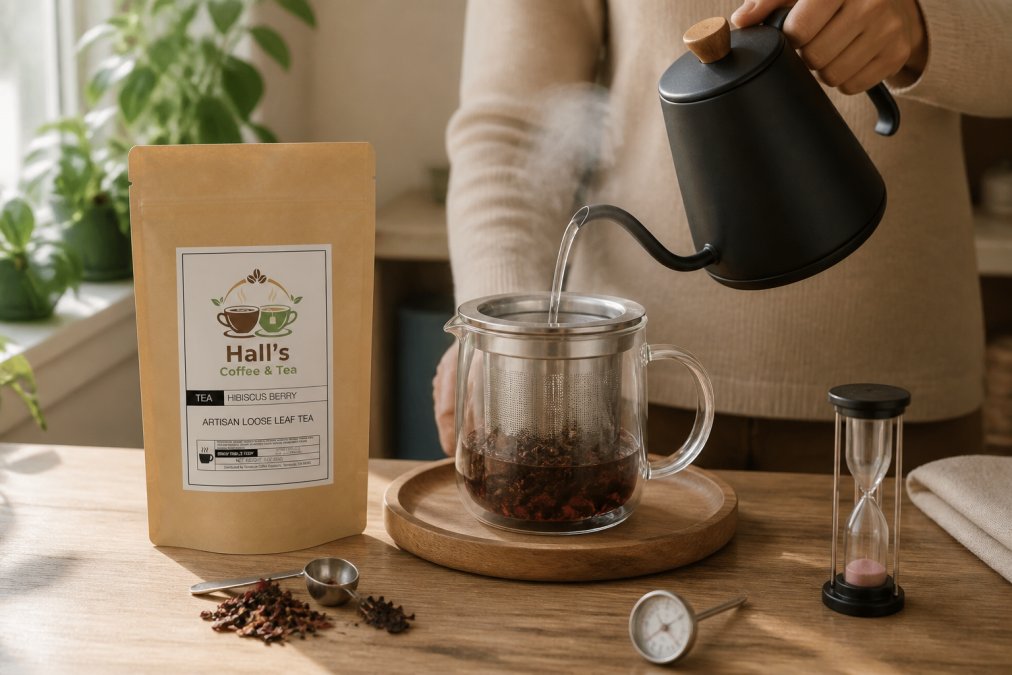
You don't need expensive equipment to brew loose leaf tea well. A simple infuser basket that sits in your cup works perfectly. A small mesh strainer and a mug do the job. What matters: the vessel should allow leaves to expand fully and water to flow around them.
If you're serious about brewing, a gooseneck kettle gives you precise pouring control. A simple thermometer eliminates guesswork about water temperature. A small kitchen scale helps you measure leaf consistently. These three tools cost under $40 combined and transform your brewing consistency.
Glass vessels let you watch the leaves unfurl, which is part of the ritual. Ceramic or porcelain holds heat better than glass. The truth many guides skip: you already have what you need. A regular mug, a small strainer, and a kettle are sufficient.
How to Store Loose Leaf Tea for Maximum Freshness
Loose leaf tea degrades when exposed to light, air, heat, and humidity. Proper storage extends freshness dramatically.
Store tea in airtight containers away from direct sunlight. Glass jars with rubber seals work well if you keep them in a dark cabinet. Ceramic containers with tight lids are ideal. Avoid plastic, which can absorb flavors and leach into tea over time.
Temperature consistency matters more than absolute coldness. A cool, stable cabinet is better than a refrigerator where temperature fluctuates every time you open the door. Avoid the kitchen counter near the stove or anywhere that gets direct sun.
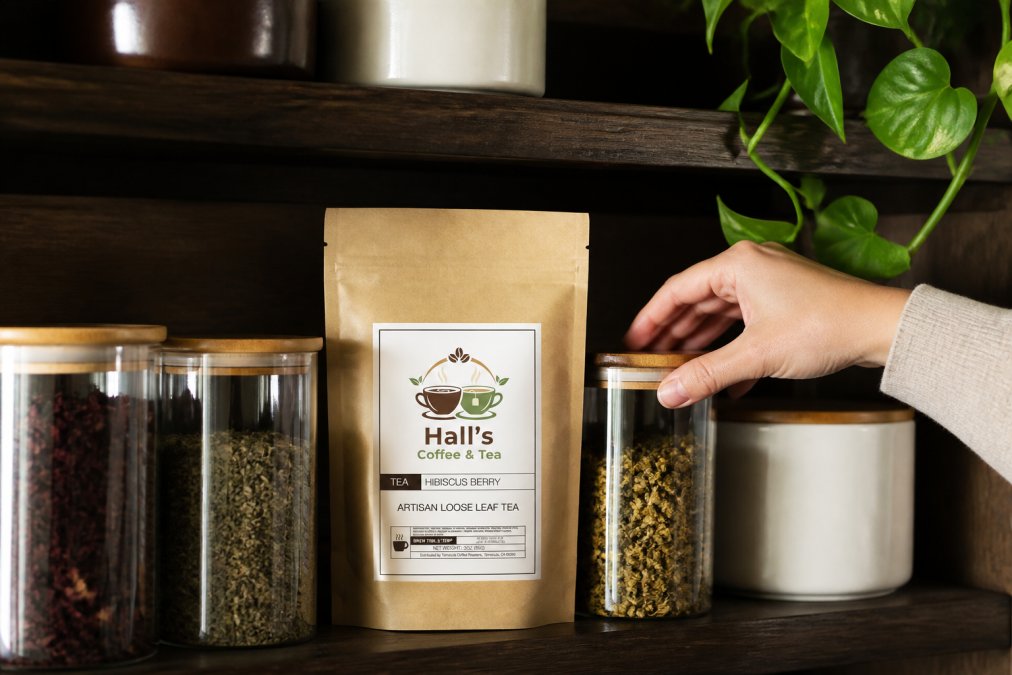
Whole leaf tea stays fresh longer than broken leaf or dust. Properly stored, quality whole leaf tea remains excellent for 6-12 months. After that, it's still drinkable but loses vibrancy.
Don't store tea near strong-smelling foods or spices. Tea absorbs aromas easily. Keep tea separate from coffee for the same reason.
Fair Trade, Sustainability, and Direct Trade Sourcing
When you buy organic loose leaf tea online, sourcing practices matter beyond personal preference. They affect the people who grow your tea and the ecosystems where tea grows.
Fair trade certification ensures growers receive a minimum price for their crop, protecting them from market volatility. It requires certain labor standards and environmental practices. Fair trade tea costs more than commodity tea, but the premium goes directly to producers.
Direct trade goes further. Instead of buying through middlemen, importers work directly with specific estates or cooperatives. This creates relationships, allows for quality feedback, and often means higher prices for growers than fair trade guarantees.
Sustainability in tea farming means protecting soil health, water resources, and biodiversity. Organic certification ensures no synthetic pesticides or fertilizers, protecting the people who work in tea gardens and the ecosystems surrounding them (usda.gov). Hall's Coffee & Tea prioritizes sourcing relationships that reflect these values.
Health Benefits and Wellness Science Behind Organic Tea
Tea contains compounds that contribute to wellness. Green tea is rich in catechins, which have been researched for their potential role in supporting metabolic health and cellular protection (peer-reviewed research). Black tea contains theaflavins, compounds formed during oxidation that also show antioxidant properties. White tea retains high levels of catechins because it undergoes minimal processing. Oolong offers a blend of catechins and theaflavins. Herbal tisanes contain their own beneficial compounds: hibiscus for vitamin C, rooibos for mineral content, chamomile for calming properties.

The wellness benefits of tea come from consistent consumption. A single cup won't transform your health. Regular tea drinking as part of a broader wellness practice contributes to overall wellbeing. Organic tea means these compounds come without synthetic pesticide residue. When you buy organic loose leaf tea online, you're choosing tea that supports wellness without compromise.
Loose Leaf vs. Tea Sachets: Why Whole Leaf Matters
Tea bags are convenient, but convenience comes at a flavor cost. Tea bags typically contain fannings, small fragments of leaves left over from processing whole leaf tea. Fannings brew faster because they have more surface area exposed to water, but they over-extract quickly, creating bitter, astringent results.
Whole leaf tea unfurls slowly, releasing flavor gradually over several minutes. Whole leaves can be steeped multiple times, with each infusion tasting different. Fannings exhaust after a single steep.
The price difference is real. Whole leaf costs more per serving than bagged tea. But you get multiple infusions from the same leaves, and the quality difference is profound enough that many people find it worth the extra cost and minimal additional effort.
Choosing to buy organic loose leaf tea online connects you to producers who care about quality and to a ritual that slows your day. Hall's Coffee & Tea curates each selection for freshness, flavor, and sourcing integrity. Our Jasmine tea pairs hand-picked blossoms with green tea at the precise moment for optimal harmony. Our Earl Grey balances Ceylon black tea with bergamot oil and cornflowers. Every blend reflects genuine craftsmanship. Start with one of our selections and experience the difference whole leaf makes. Shop our organic tea collection and discover why the ritual of brewing loose leaf tea is worth your time.

Frequently Asked Questions
What should I look for when buying organic loose leaf tea online?
Look for USDA organic certification, whole leaf (not broken pieces), a recent harvest date, and transparent sourcing information. Check if the seller describes flavor profile, origin, and steeping instructions. Reputable vendors clearly state whether the tea is fair trade certified or sustainably sourced. Avoid products with vague descriptions or unclear certifications. Read customer reviews that mention freshness and flavor quality, not just convenience.
How do I know if loose leaf tea is high quality?
Premium loose leaf tea shows visible, intact leaves rather than dust or fannings. The aroma should be fresh and vibrant, stale tea smells flat or musty. Check the origin and harvest season; single-origin, single-harvest teas typically offer better flavor than blends of unknown sources. Look for artisan or small-batch producers who control their supply chain. Whole leaf teas that unfurl during steeping deliver more complex flavor and better infusions than pre-broken leaves.
Do I need special equipment to brew loose leaf tea?
No. You can brew loose leaf tea with a simple infuser basket, mesh strainer, or even a clean coffee filter. Glass mugs with built-in infusers work well and let you watch the leaves unfurl. For the best experience, use a small teapot or gaiwan (traditional Chinese brewing vessel), but these are optional. What matters most is using the right water temperature and steeping time for your tea type, equipment is secondary to technique.
What are the health benefits of organic loose leaf tea?
Organic loose leaf teas contain polyphenols, catechins, and antioxidants that support wellness when consumed regularly. Green teas offer catechins linked to metabolism and focus. Black teas provide theaflavins and thearubigins for antioxidant support. Herbal tisanes like hibiscus and rooibos are caffeine-free and contain their own beneficial compounds. Because loose leaf tea is whole leaf, it retains more of these compounds than broken leaves in sachets. Steep properly to maximize extraction of beneficial compounds.
This article was written using GrandRanker
