

Health Benefits of Daily Green Tea Consumption
Table of Contents
- What Happens When You Drink Green Tea Every Day
- How Green Tea Supports Your Body: Antioxidants and Cellular Health
- Green Tea for Weight Management and Metabolism
- Best Time to Drink Green Tea for Weight Loss
- Caffeine Content in Green Tea: What to Expect
- How to Brew Loose Leaf Green Tea for Maximum Antioxidants
- Green Tea and Drug Interactions: What You Need to Know
- Best Time to Drink Green Tea for Weight Loss
- Caffeine Content in Green Tea: What to Expect
- How to Brew Loose Leaf Green Tea for Maximum Antioxidants
- Green Tea and Drug Interactions: What You Need to Know
- Frequently Asked Questions
Last Updated: September 19, 2026
What Happens When You Drink Green Tea Every Day
Green tea comes from the unoxidized leaves of the Camellia sinensis plant, and drinking it daily delivers plant compounds that support cellular health.
How Green Tea Supports Your Body: Antioxidants and Cellular Health
Green tea's primary health mechanism is its catechin content, particularly epigallocatechin gallate (EGCG), which neutralizes free radicals and reduces oxidative stress. Because the leaves are steamed rather than oxidized, catechins survive processing at far higher concentrations than in black tea.
Catechins, EGCG, and Polyphenols Explained
Catechins are polyphenol antioxidants found in tea leaves, and EGCG is the most studied and biologically active of them. Polyphenols protect cells from free radicals, unstable molecules that accumulate through normal metabolism and environmental exposure.
Anti-Inflammatory Effects and Oxidative Stress
Chronic low-grade inflammation sits behind many conditions green tea is studied for, from cardiovascular disease to neurodegenerative decline. Its catechins appear to interrupt the signaling pathways that keep inflammation switched on.
Green Tea for Weight Management and Metabolism
Green tea modestly increases energy expenditure through caffeine and catechins, which together support thermogenesis, the process by which your body generates heat and burns calories. (pubmed.ncbi.nlm.nih.gov) The honest framing: a small effect, measured in tens of calories per day, not the dramatic fat-burning result marketing implies.
What the Effect Size Actually Looks Like
Most practitioners describe the metabolic bump as real but small:
- The effect is dose-dependent. Research showing measurable changes involves habitual intake, not one-off drinks.
- Caffeine tolerance blunts the stimulant arm. If you drink coffee all day, green tea's added caffeine contributes less than you'd expect.
- Catechins do the quieter work. The EGCG mechanism doesn't depend on feeling stimulated, so it keeps contributing after the buzz fades.
- Nothing here overrides energy balance. Green tea supports a metabolism already active through movement, protein, and sleep. It does not create a deficit on its own.
The Overlap With Cardiovascular and Blood Sugar Benefits
Beyond weight, the same catechins show up in cardiovascular research. Population studies link habitual green tea consumption to lower rates of cardiovascular disease and modest reductions in systolic blood pressure, likely through improved endothelial function and a better lipid profile. Blood sugar regulation and insulin sensitivity also appear to benefit, outcomes better supported in the literature than weight loss specifically.
Best Time to Drink Green Tea for Weight Loss
The best time to drink green tea for weight loss is roughly 30 to 60 minutes before a meal or before exercise, when caffeine and catechins peak in your bloodstream alongside activity. Timing matters less than consistency, but these windows make the most of the metabolic effect.
Caffeine Content in Green Tea: What to Expect
Caffeine content in green tea ranges from roughly 20 to 50 milligrams per 8-ounce cup, well below the 95 milligrams in a typical cup of coffee. Loose leaf brewed at lower temperatures lands at the lower end; bagged tea steeped long and hot lands higher.
| Tea Type | Caffeine (per 8 oz) | Catechin Level | Best For |
|---|---|---|---|
| Matcha | Highest | Highest | Full-leaf compound intake |
| Loose leaf sencha | Moderate | High | Daily drinking |
| Bagged green tea | Lower | Lower | Convenience |
Caffeine Sensitivity and Side Effects to Watch For
Caffeine sensitivity varies widely, and it's the most common reason people abandon a daily green tea habit. Symptoms to watch for include jitteriness, an upset stomach, heart palpitations, and disrupted sleep. If any appear, switch to a lower-caffeine variety, shorten your steeping time, or move your last cup earlier in the day.

How to Brew Loose Leaf Green Tea for Maximum Antioxidants
To brew loose leaf green tea for maximum antioxidants, use water between 160°F and 180°F, steep for 2 to 3 minutes, and use roughly 1 teaspoon of leaves per 8 ounces of water. Water that's too hot destroys catechins and turns the cup bitter; water that's too cool fails to extract them.
- Heat water to 160-180°F. Let a full boil rest for two to three minutes if you don't have a variable-temperature kettle.
- Measure 1 teaspoon of loose leaves per 8 ounces. Adjust up for a stronger cup rather than steeping longer.
- Steep for 2-3 minutes. Set a timer. Past four minutes, tannins dominate and the cup turns astringent.
- Pour off the leaves completely. Don't leave them sitting in the water.
- Re-steep the same leaves. Quality loose leaf holds up for two to three steepings, and later infusions extract different compounds.
Quality Variations: Matcha vs. Sencha vs. Bagged
Matcha delivers the highest catechin concentration because you consume the entire leaf as a powder, sencha offers a balanced daily-drinking option, and bagged tea trades compound density for convenience. The gap between whole-leaf and bagged tea is wider than most people realize, largely because bagged products use smaller particles that lose potency faster.
Green Tea and Drug Interactions: What You Need to Know
Green tea can interact with certain medications, most notably blood thinners like warfarin, because the vitamin K in tea can reduce their effectiveness. This is the interaction most worth flagging to a physician before committing to a daily habit, and the one most guides skip entirely.
Other Interactions Worth Knowing Before You Start
- Iron supplements and iron-rich foods. Tea tannins bind iron in the gut and reduce absorption, which matters most for people with iron-deficiency anemia or those relying on plant sources. A gap of an hour or more between your cup and your iron intake largely solves it.
- Stimulant medications. Green tea's caffeine adds to the total stimulant load from prescriptions used for ADHD or narcolepsy, amplifying jitteriness, elevated heart rate, or sleep disruption.
- Certain blood pressure and heart medications. Because catechins can affect how some drugs are metabolized, people on narrow-therapeutic-index medications should raise the habit with their pharmacist.
- High-dose green tea extracts. Concentrated supplements have been linked to rare reports of liver stress, and a capsule dose can far exceed what you'd drink in a day.
Brewed Tea vs. Extracts: A Distinction That Matters
Most alarming headlines about green tea and the liver come from concentrated extracts, often taken on an empty stomach at doses many times higher than a normal cup. Brewed tea at typical daily levels sits in a different risk category: if you take a supplement, discuss it with a clinician; if you drink a few cups a day, the conversation is mostly about timing and consistency.
Bone Health: A Secondary Reason to Keep the Habit
For bone health, some studies associate habitual green tea consumption with higher bone mineral density, particularly in older adults, though the evidence is weaker than for cardiovascular outcomes. Proposed mechanisms involve catechins' anti-inflammatory and antioxidant effects on bone remodeling, but the research is still developing. It's a reasonable secondary reason to keep the habit, not the primary one.
Best Time to Drink Green Tea for Weight Loss
The best time to drink green tea for weight loss is roughly 30 to 60 minutes before a meal or before exercise, when caffeine and catechins peak in your bloodstream alongside activity. Timing matters less than consistency, but these windows make the most of the metabolic effect.
Caffeine Content in Green Tea: What to Expect
Caffeine content in green tea ranges from roughly 20 to 50 milligrams per 8-ounce cup, well below the 95 milligrams in a typical cup of coffee. Loose leaf brewed at lower temperatures lands at the lower end; bagged tea steeped long and hot lands higher.
| Tea Type | Caffeine (per 8 oz) | Catechin Level | Best For |
|---|---|---|---|
| Matcha | Highest | Highest | Full-leaf compound intake |
| Loose leaf sencha | Moderate | High | Daily drinking |
| Bagged green tea | Lower | Lower | Convenience |
Caffeine Sensitivity and Side Effects to Watch For
Caffeine sensitivity varies widely, and it's the most common reason people abandon a daily green tea habit. Symptoms to watch for include jitteriness, an upset stomach, heart palpitations, and disrupted sleep. If any appear, switch to a lower-caffeine variety, shorten your steeping time, or move your last cup earlier in the day.
How to Brew Loose Leaf Green Tea for Maximum Antioxidants
To brew loose leaf green tea for maximum antioxidants, use water between 160°F and 180°F, steep for 2 to 3 minutes, and use roughly 1 teaspoon of leaves per 8 ounces of water. Water that's too hot destroys catechins and turns the cup bitter; water that's too cool fails to extract them.
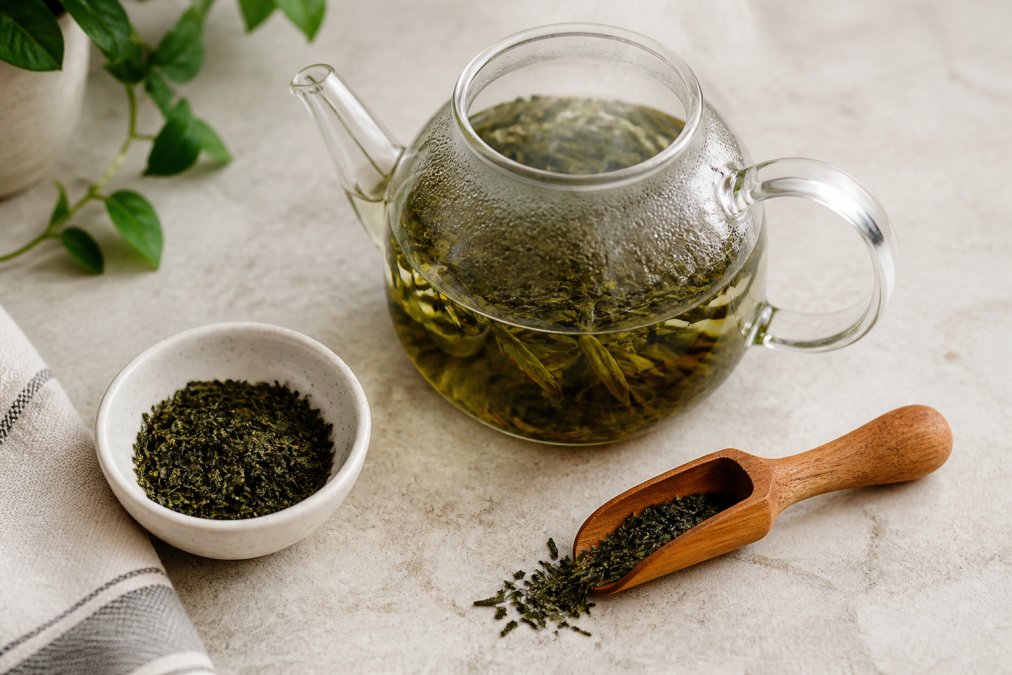
- Heat water to 160-180°F. Let a full boil rest for two to three minutes if you don't have a variable-temperature kettle.
- Measure 1 teaspoon of loose leaves per 8 ounces. Adjust up for a stronger cup rather than steeping longer.
- Steep for 2-3 minutes. Set a timer. Past four minutes, tannins dominate and the cup turns astringent.
- Pour off the leaves completely. Don't leave them sitting in the water.
- Re-steep the same leaves. Quality loose leaf holds up for two to three steepings, and later infusions extract different compounds.
Quality Variations: Matcha vs. Sencha vs. Bagged
Matcha delivers the highest catechin concentration because you consume the entire leaf as a powder, sencha offers a balanced daily-drinking option, and bagged tea trades compound density for convenience. The gap between whole-leaf and bagged tea is wider than most people realize, largely because bagged products use smaller particles that lose potency faster.
Green Tea and Drug Interactions: What You Need to Know
Building a daily green tea habit is straightforward, but the quality of what's in your cup decides whether you get the compounds you're after. Stale bagged tea and boiling water undercut the benefits no matter how consistent you are. Hall's Coffee & Tea sources premium loose-leaf teas with free US shipping and secure payments, so your daily ritual starts from a better leaf.
Frequently Asked Questions
What will happen if I drink green tea every day?
Drinking green tea daily gives you a steady supply of catechins and polyphenols, the plant compounds linked to antioxidant and anti-inflammatory effects. You also get a moderate caffeine boost, usually 25-50 mg per cup, alongside L-theanine, which smooths out the jittery edge. Most people notice better hydration and a gentle energy lift. Over time, daily consumption supports cardiovascular health, metabolic rate, and cognitive performance. Stick to 2-3 cups to avoid side effects like sleep disruption or stomach upset.
What is the best time of day to drink green tea?
Morning to early afternoon works best for most people. Drinking it 30-60 minutes before a meal can help with glycemic control and insulin sensitivity, while a cup before exercise may support fat burning through thermogenesis. Avoid drinking green tea within 4-6 hours of bedtime because its caffeine content can interfere with sleep. If you are sensitive to caffeine, stop by 2 p.m. and switch to a roasted variety like hojicha, which has less caffeine.
Are there any side effects to drinking green tea daily?
For most people, 2-3 cups a day is well tolerated. Side effects show up mainly with high doses or concentrated extracts: insomnia, anxiety, nausea, and stomach irritation from the tannins. Green tea can also reduce iron absorption, so drink it between meals if you are anemic. It may interact with blood thinners like warfarin and certain blood pressure medications. If you take prescription drugs, check with your doctor before making green tea a daily habit.
Which type of green tea is considered the healthiest?
Matcha often gets the edge because you consume the entire leaf, so you get more catechins, EGCG, and caffeine per serving than steeped leaves. Loose leaf sencha and gyokuro are also excellent, with high polyphenol levels and better bioavailability when brewed at the right temperature. Bagged green tea works in a pinch but usually contains smaller leaf fragments with lower antioxidant content. For maximum benefit, choose stone-milled matcha or whole loose leaf teas and steep them at 160-175°F for 2-3 minutes.
