

Best Coffee Subscription for Rural Areas: 2026 Guide
Table of Contents
- What Rural Coffee Drinkers Actually Need From a Subscription
- Coffee Subscription Shipping Policies: What to Check Before You Subscribe
- Coffee Bean Delivery Frequency: Finding the Right Rhythm for Your Household
- How to Store Coffee Beans for Freshness in Non-Climate-Controlled Homes
- Single-Origin vs. Blends: What Ships Best to Rural Addresses
- Bulk Ordering for Rural Households: Getting More Coffee Per Delivery
- Top Picks: Best Coffee Subscription for Rural Areas
- Conclusion: Matching Your Rural Address to the Right Coffee Subscription
- Frequently Asked Questions
Last Updated: September 15, 2026
What Rural Coffee Drinkers Actually Need From a Subscription
The best coffee subscription for rural areas solves a problem most brands ignore: getting freshly roasted beans to an address outside standard delivery corridors. Rural customers want beans that arrive fresh, a delivery rhythm matching their consumption, and a shipping policy that doesn't quietly exclude their zip code.
Rural coffee drinkers deal with longer transit times, fewer local roasters, and carriers that treat remote routes as an afterthought. A subscription that works in a metro area can fail completely twenty miles past the last highway exit. Below: what to check before you commit, how to store what arrives, and which formats travel best to a rural mailbox.
Coffee Subscription Shipping Policies: What to Check Before You Subscribe
Shipping policy is the first thing to verify, and it's where most rural subscriptions fall apart. Read the delivery terms before you enter a card number.
Three questions decide whether a service is viable for your address:
- Does the free shipping offer apply to rural zip codes, or is it metro-only?
- What's the realistic delivery window once the package leaves the roaster?
- Who pays when a package arrives damaged or sits in a carrier facility for a week?
Carrier Choice Matters More Than You Think
Most guides treat shipping as a single line item. In practice, the carrier determines whether your coffee arrives in three days or eight. The three major services behave very differently on rural routes:
- USPS Priority Mail reaches most rural addresses, including P.O. boxes and addresses without a street number, typically in one to three business days (Priority Mail). It's often the only carrier that hands off to a rural route driver without a surcharge.
- UPS Ground is reliable but routes through regional hubs, so a package bound for a remote zip code can sit an extra day or two. UPS also applies delivery-area surcharges to some remote zip codes, which is why a "free shipping" offer can quietly become a paid one at checkout.
- FedEx Ground behaves similarly to UPS, with the added wrinkle that some rural addresses are served by independent contractors whose schedules vary. Tracking updates can lag by a day.
The practical takeaway: a roaster that ships USPS Priority Mail to rural zip codes usually beats one that defaults to UPS or FedEx Ground, even if the coffee itself is comparable. If a provider won't tell you which carrier it uses, ask before subscribing.
Transit Time and Freshness Degradation
Freshly roasted coffee degrades fastest in the first two weeks, so every day in transit is a day off the peak window. A roaster that ships within 24 hours of roasting via a two-to-three-day carrier gets beans to a rural address in their prime; one that batches orders weekly and ships ground service can put beans in your mailbox already past their best.
Ask two questions before you commit:
- How soon after roasting does the order ship?
- What's the typical transit time to a rural zip code, not a metro one?
Roasters often quote metro transit times in their marketing, and rural customers discover the real number only after the first delivery. If the provider publishes a roast-to-ship window, that's a good sign; if not, treat the shipping estimate as optimistic.
Free Shipping and Rural Zip Code Coverage
Free shipping is the most advertised perk and the least reliable. Many providers offer it, then exclude remote routes through carrier surcharges or "extended area" fees that appear only at checkout. Hall's Coffee & Tea ships free within the United States, which matters on a recurring schedule.
When you evaluate a free shipping offer, check three things:
- Whether the offer excludes any zip codes or states
- Whether the carrier applies a remote-area surcharge that gets passed to you
- Whether the free shipping threshold applies per box or per order, since bulk orders may split into multiple shipments
Tracking, Delivery Windows, and Damaged Package Policies
Tracking should be standard, not a premium add-on. Look for a provider that sends a tracking number at dispatch and has a written policy for damaged or delayed packages. If the policy page doesn't mention what happens when a box arrives crushed, assume you'll be filing the claim yourself.
A written damage policy should answer:
- Who files the carrier claim, you or the roaster?
- Is a replacement shipped automatically, or do you have to request it?
- Does the policy cover heat damage, or only physical damage?
Heat damage is the rural subscriber's specific risk. A package that sits in a delivery truck or metal mailbox on a 95-degree afternoon can arrive with beans that taste flat or stale even though the bag is intact. Carriers don't classify that as damage, so a roaster's replacement policy is your only protection. Ask whether it covers heat exposure, and prefer providers that ship in insulated or reflective packaging during summer.
A Quick Pre-Subscription Checklist
Before you enter a card number, confirm:
- The carrier used for rural zip codes
- The roast-to-ship window
- The realistic transit time to your address
- Whether free shipping excludes remote routes
- The written damage and heat-exposure policy
- Whether tracking is included at no extra cost
Coffee Bean Delivery Frequency: Finding the Right Rhythm for Your Household
Why Rural Households Should Default to Longer Intervals
The Bulk Economics: Cost Per Cup, Not Cost Per Bag
Matching Format to Frequency
Different formats tolerate different intervals:
When to Change Your Interval
Signs you should tighten it:
How to Store Coffee Beans for Freshness in Non-Climate-Controlled Homes
Containers, Temperatures, and the Freezer Question
Single-Origin vs. Blends: What Ships Best to Rural Addresses
For rural subscribers, the practical split looks like this:
Bulk Ordering for Rural Households: Getting More Coffee Per Delivery
Two formats work especially well for bulk:
Top Picks: Best Coffee Subscription for Rural Areas
Hall's Coffee & Tea: Free US Shipping and Oxygen-Sealed Capsules
Sample Packs: Low-Risk Way to Find Your Favorite
Instant Coffee and Cold Brew: No-Grinder Options for Rural Homes
| Option | Price | Format | Best For |
|---|---|---|---|
| 60 Pack Capsules | $60.00 | Single serve | Bulk buyers, no grinder |
| 12 Pack Capsules | $15.00 | Single serve | Testing the format |
| Instant Coffee | $19.99 | 30 servings, resealable | Shelf-stable backup |
| Best Sellers Sample Pack | $25.00 | Six 2 oz packs | Finding your favorite |
| Single Origin Sample Pack | $25.00 | Six 2 oz packs | Single-origin explorers |
| Cold Brew Coffee | $18.99 | Coarse-ground blend | Cold brew, no equipment |
Conclusion: Matching Your Rural Address to the Right Coffee Subscription
Frequently Asked Questions
Do coffee subscriptions ship to remote or rural addresses?
Most national coffee subscriptions ship to all US zip codes, including rural routes. The key difference is carrier reliability. USPS often has the most consistent last-mile coverage for remote areas, while some private carriers add rural surcharges or longer delivery windows. Before subscribing, check whether the roaster ships via USPS or a private carrier, and confirm they offer tracking. Hall's Coffee & Tea offers free US shipping on all orders, including rural addresses.

How do I keep coffee fresh when living in a rural area?
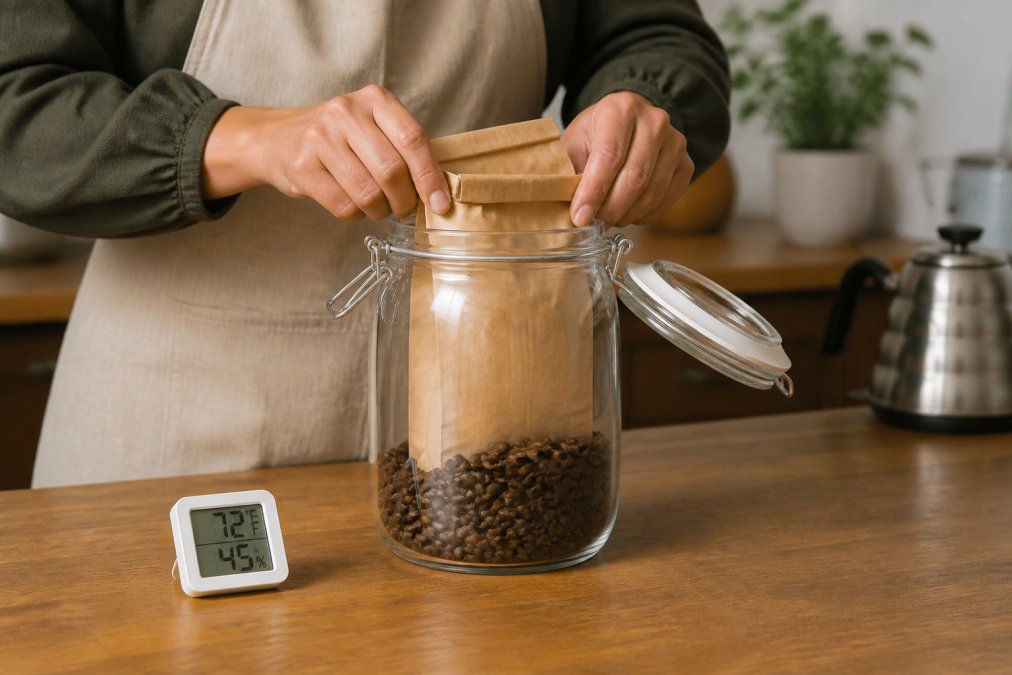
Rural deliveries can take longer, so storage matters more. Keep beans in an airtight container away from light, heat, and moisture. A pantry shelf works if your kitchen stays below 80°F. For bulk orders, freeze unused bags in their original packaging inside a freezer bag, and thaw only what you'll use in a week. Avoid storing beans above the refrigerator or near a wood stove, where temperature swings accelerate staling.
Which coffee delivery services use USPS for reliable rural access?
Several national roasters ship via USPS Priority Mail, which reaches most rural zip codes without surcharges. USPS also provides tracking and delivers to PO boxes, a benefit for rural customers without street delivery. When comparing coffee subscription shipping policies, ask whether the roaster uses USPS, UPS, or FedEx for rural routes. Hall's Coffee & Tea ships free across the US, and orders arrive with tracking so you can monitor delivery to remote addresses.
What is the best way to store coffee beans for long-term freshness?
For long-term storage, freeze whole beans in vacuum-sealed or oxygen-barrier bags. Label each bag with the roast date. When you're ready to use a bag, let it come to room temperature before opening to prevent condensation. Once opened, transfer to an airtight container and use within two to three weeks for peak flavor. Pre-ground coffee stales faster, so whole bean is the better choice for rural households ordering in bulk.
Are there coffee subscriptions that offer free shipping to all zip codes?
Yes, some roasters include free shipping regardless of location. Hall's Coffee & Tea offers free US shipping on every order, with no rural surcharge. This matters for rural households because shipping costs can otherwise add 15-25% to the cost of a subscription. When evaluating a coffee subscription for rural areas, confirm the free shipping applies to your zip code and not just metro areas, and check whether the roaster uses a carrier with reliable rural coverage.
