

Is Expensive Coffee Really Worth It?
Table of Contents
- What You're Actually Paying For When Coffee Costs More
- Specialty Coffee vs Commercial Coffee: The Real Differences
- Taste Profile Differences: Does Expensive Coffee Actually Taste Better?
- Best Coffee Beans for Home Brewing and Your Budget
- How to Store Coffee Beans for Freshness and Maximum Value
- The Cost-Per-Cup Breakdown: Is Expensive Coffee Worth It for Daily Drinking?
- Conclusion
- Frequently Asked Questions
Last Updated: September 3, 2026
What You're Actually Paying For When Coffee Costs More
When specialty coffee costs two, three, or even five times more than supermarket brands, you're not just paying for caffeine. Premium coffee reflects genuine differences in sourcing, processing, and roasting. A coffee sourced directly from a farmer in Ethiopia tastes fundamentally different from a commodity blend assembled from multiple sources.
The markup also covers transparency. When you buy specialty coffee, you're often paying for traceability, knowing exactly where the beans came from, how they were grown, and what price the farmer received. Fair trade and direct trade certifications add cost because they represent actual commitments to supply chain ethics.
Roast date matters more than most casual drinkers realize. Coffee begins losing flavor compounds immediately after roasting. A bag roasted two weeks ago tastes noticeably different from one roasted two months ago. Specialty roasters typically roast to order or in small batches, ensuring freshness. Mass-market coffee often sits in warehouses for months before reaching shelves.
At Hall's Coffee & Tea, we source single-origin beans and specialty-grade coffee because the sourcing difference directly impacts what ends up in your cup. Our Whiskey Barrel Aged coffee, for example, undergoes a deliberate 30-day aging process in bourbon barrels before roasting to order. Our Coffee with Mushrooms blends combine specialty-grade beans with functional ingredients like Lion's Mane and Cordyceps.

Specialty Coffee vs Commercial Coffee: The Real Differences
Specialty coffee and commercial coffee represent two entirely different supply chains. Specialty coffee is defined by specific quality standards. The Specialty Coffee Association uses a cupping score system where beans scoring 80 points or higher qualify as specialty grade, reflecting sensory evaluation by trained tasters who assess aroma, acidity, body, flavor notes, and overall balance (sca.coffee).
Commercial coffee prioritizes consistency and volume over sensory distinction. Commodity coffee is often a blend of beans from multiple origins, selected primarily for cost efficiency and reliable flavor profiles. The goal is producing the same cup repeatedly at the lowest possible price point.
Processing method creates another dividing line. Specialty coffees often highlight specific processing techniques, washed process, natural process, honey process, because each method creates distinct flavor outcomes. Commercial coffee blends these methods together without emphasizing the distinction.
According to the Specialty Coffee Association's standards, specialty-grade coffee requires rigorous evaluation across multiple sensory dimensions. The supply chain transparency also differs dramatically. Specialty roasters typically know their farmers and can trace each batch back to specific plots of land. Commercial coffee travels through multiple intermediaries, and the origin often becomes anonymous.
Taste Profile Differences: Does Expensive Coffee Actually Taste Better?
Expensive coffee objectively has different flavor characteristics than cheap coffee. A high-quality single-origin coffee typically displays distinct flavor notes, berry, chocolate, citrus, floral, stone fruit, that you can actually taste if you're paying attention. These aren't invented descriptions; they're compounds present in the coffee that become apparent when the beans are handled properly. A well-roasted Ethiopian Yirgacheffe might show blueberry and jasmine notes.
Cheap commodity coffee usually tastes flat by comparison. It delivers caffeine and a general "coffee" flavor without the complexity that comes from intentional sourcing and careful roasting.
Acidity and body are two technical dimensions where the difference becomes clear. Specialty coffees often highlight acidity, not sourness, but brightness, as a desirable characteristic. Commercial coffee often mutes acidity because it's perceived as a defect by mass-market consumers. Body refers to how the coffee feels in your mouth, thick and heavy versus light and crisp.
Aroma tells the story before you even taste. Open a bag of fresh specialty coffee and the smell is immediate and complex. Open a bag of commodity coffee and you get a generic "coffee" smell. That difference in aroma directly correlates to the flavor compounds that will transfer to your cup.
The real question isn't whether expensive coffee tastes different, it does. The question is whether that difference matters to you personally.
Best Coffee Beans for Home Brewing and Your Budget
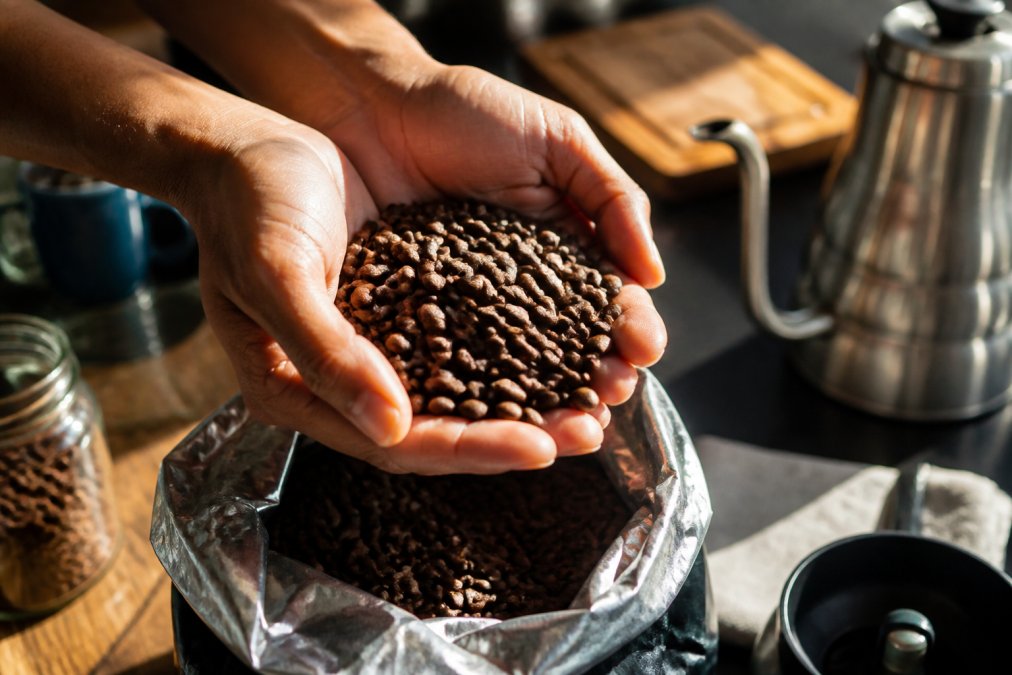
Finding quality coffee that fits your budget requires understanding what actually moves the needle on flavor. The jump from supermarket coffee to mid-tier specialty coffee delivers the biggest sensory improvement. Beans in the $12-16 per pound range offer noticeably better flavor than $5-8 commodity coffee, but they don't require the premium pricing of ultra-rare lots.
Hall's Coffee & Tea's single-serve capsules offer a practical entry point for people testing specialty coffee without committing to whole beans and brewing equipment. Our 12 Pack Single Serve Coffee Capsules deliver our Original Roast premium blend at an accessible price point, with sealed capsules that maintain freshness.

For home baristas willing to invest in brewing equipment, whole beans offer better value than pre-ground or capsule options. A quality burr grinder and a simple brewing method, pour-over, French press, or Aeropress, unlock more complexity than any capsule system can deliver.
Mid-range specialty coffees ($14-20 per pound) represent the sweet spot for most home drinkers. You're getting genuine specialty-grade coffee without paying premiums for extreme rarity. Higher-priced coffees ($25+ per pound) usually reflect rarity or processing complexity rather than proportional flavor improvement.
The processing method affects both flavor and price. Natural-process coffees typically cost more because they require more careful handling. Washed-process coffees offer excellent quality at slightly lower price points. None is objectively superior; they're different flavor profiles at different price points.
How to Store Coffee Beans for Freshness and Maximum Value
Improper storage destroys the value you paid for. Coffee beans are porous and absorb flavors and odors from their environment. They also off-gas carbon dioxide after roasting, which means they need some air exchange, but excessive air exposure causes oxidation and flavor degradation.
An airtight container in a cool, dark place is the standard recommendation. Avoid clear containers that expose beans to light and avoid kitchen counters near windows or heat sources. A pantry or cupboard works well.
Beans are optimal from about three days after roasting through roughly three weeks. After that, they're still good, but flavor compounds continue degrading. By six weeks, the coffee tastes noticeably stale. By three months, it's lost significant complexity.
Buy in quantities you'll actually use within three to four weeks. For home drinkers, a two-week supply is ideal. Whole beans stay fresher longer than ground coffee because grinding increases surface area and accelerates oxidation. If you grind your own, grind just before brewing.
According to the National Coffee Association's brewing guide, proper storage directly impacts extraction quality and final cup flavor.
The Cost-Per-Cup Breakdown: Is Expensive Coffee Worth It for Daily Drinking?
A pound of coffee yields approximately 16 cups of brewed coffee. This gives you a straightforward calculation: divide the price per pound by 16 to get cost per cup.
A $6 commodity coffee costs roughly 38 cents per cup. A $15 specialty coffee costs about 94 cents per cup. A $20 specialty coffee costs around $1.25 per cup. For someone drinking two cups daily, the annual difference between commodity coffee and mid-tier specialty coffee is roughly $400.
The value calculation changes based on how much you care about coffee flavor. If coffee is primarily caffeine delivery, spending 94 cents per cup instead of 38 cents doesn't make sense. If you genuinely enjoy the sensory experience and have the budget, the difference between a flat commodity coffee and a complex specialty coffee justifies the cost.
Hall's Coffee & Tea's Whiskey Barrel Aged coffee and Coffee with Mushrooms blends represent specialty-grade options in the mid-to-premium range. They cost more than supermarket coffee, but the per-cup cost remains reasonable for daily consumption if you value the flavor complexity and functional ingredients.

Brewing method affects cost-per-cup math too. Espresso-based drinks waste more coffee; pour-over and French press are more efficient. Cold brew stretches beans further. The break-even point for most home drinkers sits somewhere in the $12-16 per pound range.
Conclusion
Is expensive coffee really worth it? The honest answer is: it depends on what you value and what you're willing to spend.
If you drink coffee primarily for caffeine and don't care about flavor nuance, cheap coffee serves that purpose perfectly. But if you enjoy the ritual of coffee, notice flavor differences, and have budget flexibility, mid-tier specialty coffee delivers noticeable improvements that justify the cost. The jump from $6 to $15 per pound creates a meaningful sensory upgrade. The jump from $15 to $50 per pound creates a smaller improvement relative to the price increase.
Freshness matters more than price. A fresh commodity coffee tastes better than stale specialty coffee. Storage matters. Brewing method matters. The variables you control often matter more than the beans themselves.
Hall's Coffee & Tea specializes in premium single-origin beans and specialty blends roasted to order, ensuring the freshness and quality that makes expensive coffee actually worth the investment. When you buy from us, you're getting coffee that's been intentionally selected and prepared to deliver the sensory experience that justifies specialty pricing. SHOP COFFEE and experience the difference that quality sourcing and fresh roasting actually make.
The real cost of cheap coffee isn't the price you pay at checkout, it's the flat, undifferentiated cup you're settling for every morning. At Hall's Coffee & Tea, we believe your daily ritual deserves better. Our curated single-origin selections and specialty blends are roasted fresh and sourced with care, delivering the complexity and quality that transform coffee from a caffeine delivery system into a moment of genuine pause and connection. Explore our collection and discover why the investment in better coffee pays dividends in every cup.
Frequently Asked Questions
What factors actually contribute to the price of premium coffee?
Premium coffee pricing reflects several factors beyond marketing. Single-origin beans from specialty regions cost more due to limited supply and careful harvesting. Fair trade and direct trade certifications ensure farmers receive fair compensation, raising production costs. Roast date freshness matters, beans roasted to order cost more than commodity coffee sitting on shelves for months. Processing method (washed, natural, honey) affects flavor complexity and price. Specialty-grade beans scoring 80+ points on the cupping scale command higher prices because they've been individually evaluated for quality, unlike commodity coffee graded only by defect count.
Is there a noticeable difference between grocery store coffee and specialty beans?
Yes, the differences are measurable and sensory. Specialty coffee offers distinct flavor notes, fruity, floral, chocolatey, nutty, while commodity coffee tastes flat or bitter. This comes from bean origin, altitude, processing method, and roast freshness. Specialty beans typically have higher acidity and body complexity. Grocery store coffee often sits for months before reaching you, degrading aroma and extraction potential. When brewed fresh with proper technique, specialty beans reveal their sensory profile; commodity coffee rarely does. For everyday consumption, the difference is noticeable if you're paying attention, but diminishing returns kick in quickly, a $15 bag beats a $5 bag noticeably, but a $25 bag may not beat the $15 one enough to justify the cost for most people.
How does roast date affect the value of expensive coffee?
Roast date is critical to value. Coffee peaks in flavor 5-14 days after roasting, then gradually loses aroma and complexity. Specialty roasters print roast dates on bags so you know freshness. Expensive coffee roasted to order arrives at peak flavor, maximizing the sensory experience you paid for. Grocery store coffee often has no roast date or was roasted weeks or months ago, meaning you're paying for stale beans. Freshness directly impacts extraction, fresh beans release more flavor compounds during brewing. If you buy expensive coffee but it arrives weeks old, you've wasted money. This is why direct-to-consumer specialty roasters command premium prices: they roast on demand and ship fast, preserving the value proposition.
What's the best way to decide if expensive coffee is worth it for me?
Use the cost-per-cup framework. A $20 bag of premium beans (12 oz) yields roughly 12-16 cups depending on your brew method and dose. That's $1.25-$1.65 per cup. Compare that to your current spend: a $5 grocery bag might cost $0.30-$0.40 per cup, but the sensory experience is significantly lower. Ask yourself: Do I notice flavor differences? Do I enjoy the ritual of brewing? Will the freshness and complexity justify the extra $1 per cup? If you're a daily drinker who appreciates nuance, expensive coffee often delivers value. If you drink coffee mindlessly or prefer convenience, a mid-range specialty option ($12-$15 per bag) may be the sweet spot. Start with a single-origin sample to test before committing to larger quantities.
This article was written using GrandRanker
