

Why Single Origin Coffee Tastes Better
Table of Contents
- What Single Origin Coffee Actually Means
- Single Origin vs Blend Coffee: The Core Differences
- How Terroir, Elevation, and Processing Shape Flavor
- Understanding Coffee Flavor Notes Explained
- Best Coffee Beans for Home Brewing
- Traceability, Seasonality, and What Makes Single Origin Worth It
- Conclusion
Last Updated: August 29, 2026
What Single Origin Coffee Actually Means
Single origin coffee refers to beans sourced from a specific geographic region, farm, or even a single lot within one harvest. Unlike blended coffees that combine beans from multiple origins, single origin coffee preserves the distinct characteristics of where it was grown. When you drink a single origin, you're tasting the terroir, the processing choices, and the farmer's expertise all in one cup.

The term "single origin" can mean different things depending on how specific the sourcing is. Some coffees are labeled by country alone (Ethiopian, Colombian, Brazilian). Others specify the region within that country. The most detailed designations include the farm name, altitude, and sometimes even the specific micro-lot or harvest date. This transparency allows you to understand exactly what you're purchasing and why that particular coffee has the flavor profile it does.
Single Origin vs Blend Coffee: The Core Differences
The distinction between single origin and blend coffee comes down to intentionality and flavor consistency. A blend combines beans from multiple origins to achieve a specific, repeatable flavor profile. A single origin showcases one place's unique characteristics, which means the flavor changes slightly year to year as climate and harvest conditions shift.
Blends are engineered. A roaster selects complementary beans from different regions and combines them in precise ratios to create a consistent product. Single origins are discovered. The roaster receives beans from a specific farm or region, roasts them to highlight that coffee's natural strengths, and releases them as a limited offering.
A blend might combine Brazilian beans for body, Ethiopian beans for brightness, and Kenyan beans for complexity. The result is balanced but somewhat averaged. A single origin Ethiopian coffee will emphasize the fruity, floral notes that Ethiopian terroir produces, giving you the full expression of that coffee, not a compromise.
Blends remain relatively stable across multiple harvests because the roaster adjusts the ratio of beans to compensate for yearly variations. Single origins fluctuate. The 2025 harvest of a Colombian coffee might have more chocolate notes due to drier conditions, while the 2026 harvest emphasizes citrus because of higher rainfall. This variability is a feature, not a bug.
| Aspect | Single Origin | Blend |
|---|---|---|
| Flavor Profile | Unique to region, varies by harvest | Consistent, engineered for balance |
| Traceability | High, specific farm or region | Lower, multiple sources combined |
| Complexity | Often more complex, terroir-driven | Balanced, complementary flavors |
| Price | Usually higher | More accessible |
| Best For | Flavor exploration, understanding terroir | Daily drinking, predictable taste |
Most coffee drinkers start with blends because they're forgiving and affordable. As your palate develops, single origins reveal nuances that make the higher price worth it.
How Terroir, Elevation, and Processing Shape Flavor
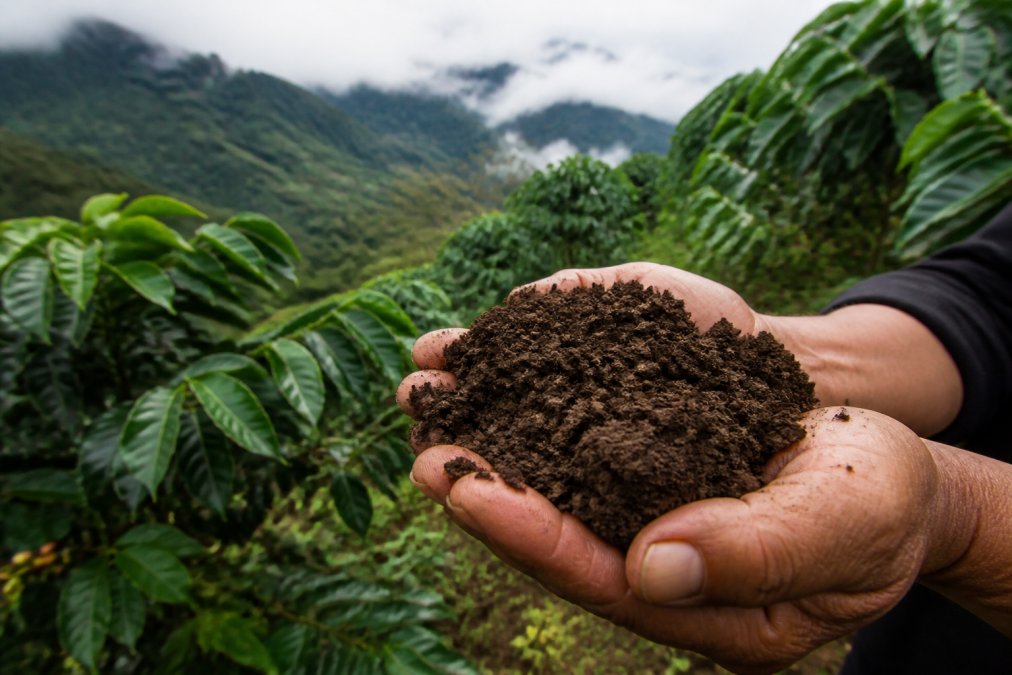
Terroir is the complete environmental package that shapes how coffee tastes. It includes soil composition, climate patterns, altitude, and nearby vegetation. These factors determine which compounds develop in the coffee cherry and at what concentrations.
The Role of Soil and Climate
Soil type fundamentally influences mineral uptake and nutrient availability. Volcanic loam, common in Central America and parts of Ethiopia, produces coffees with bright acidity and chocolate undertones. Red laterite soils, found in parts of Brazil, tend toward lower acidity and fuller body.
Climate patterns affect bean density and sugar development. Regions with distinct wet and dry seasons produce coffees with higher acidity and more complexity. Temperature fluctuations between day and night concentrate sugars and acids, creating the crisp, clean flavors you find in high-altitude coffees.
Why Altitude Matters
Elevation is one of the most reliable predictors of coffee quality. Higher altitude means cooler temperatures, which slow the coffee cherry's ripening process. This extended ripening period allows sugars and acids to develop more fully, resulting in denser beans with more complex flavor potential.
A coffee grown at 1,200 meters elevation tastes noticeably different from one at 1,800 meters, even from the same region. The higher-altitude coffee will have brighter acidity, more pronounced fruit notes, and greater complexity. Most specialty coffees come from elevations between 1,200 and 2,000 meters (peer-reviewed research). Hall's Coffee & Tea's Colombia selection comes from smallholder farmers in Medellin at 1,300-1,500 meters elevation, which explains the dried orange and berry notes in the tasting profile.

Processing Methods and Their Impact
Processing method determines how much of the fruit flavor makes it into your cup. There are three primary methods, each producing distinct flavor characteristics.
Washed process removes the fruit entirely before drying. The bean is extracted from the cherry, fermented briefly to remove the sticky mucilage, then washed clean and dried. This method emphasizes the bean's inherent character and produces cleaner, brighter cups. Most Central American and East African coffees use washed processing.
Natural process dries the entire cherry intact, with the fruit still surrounding the bean. This extended contact with fruit sugars creates deeper sweetness and more pronounced fruit flavors. The resulting cup is often heavier, with lower perceived acidity and more complex berry or wine-like notes. Natural processing is common in Ethiopia and parts of Brazil.
Honey process splits the difference. The fruit is removed but some of the sticky mucilage remains on the bean during drying. This creates a middle ground, more fruit-forward than washed, but cleaner than natural.
Hall's Coffee & Tea's Ethiopia Natural comes from the Sidama zone at 1,700-1,900 meters, processed naturally with hand sorting and raised-bed drying. This combination produces the milk chocolate, fruity, caramel profile that natural-processed Ethiopian coffees are known for.
Understanding Coffee Flavor Notes Explained
Tasting notes on coffee bags describe the flavors you might perceive, not ingredients that were added. When a coffee is labeled "chocolate, orange, berry," those are compounds naturally present in the roasted beans. Flavor compounds develop during growth, fermentation, and roasting.
Acidity in coffee terminology doesn't mean sour. It refers to bright, lively flavors, the snap you feel on your palate. High-altitude, washed-process coffees typically have pronounced acidity. Low-altitude, natural-process coffees have lower acidity and heavier body.
Body refers to the weight and texture of the coffee on your tongue. A light-bodied coffee feels clean and crisp. A full-bodied coffee feels thick and syrupy. Body is influenced by altitude, processing method, and roast level.
The best way to understand these terms is to taste coffees side by side. Brewing Hall's Coffee & Tea's Guatemala and Colombia back-to-back shows the difference immediately. The Guatemala (medium roast, washed, 1,200-1,616 meters) presents dark chocolate and bright fruit. The Colombia (medium roast, washed, 1,300-1,500 meters) shows dried orange and chocolate. Both are washed and similar roast level, yet they taste distinctly different because of their soil, climate, and cultivar.

Best Coffee Beans for Home Brewing
The best single origin beans for home brewing depend on your brewing method, taste preferences, and experience level. If you're new to specialty coffee, start with medium roasts from well-known origins. If you're experienced, explore light roasts and natural-process coffees that reveal more complexity.
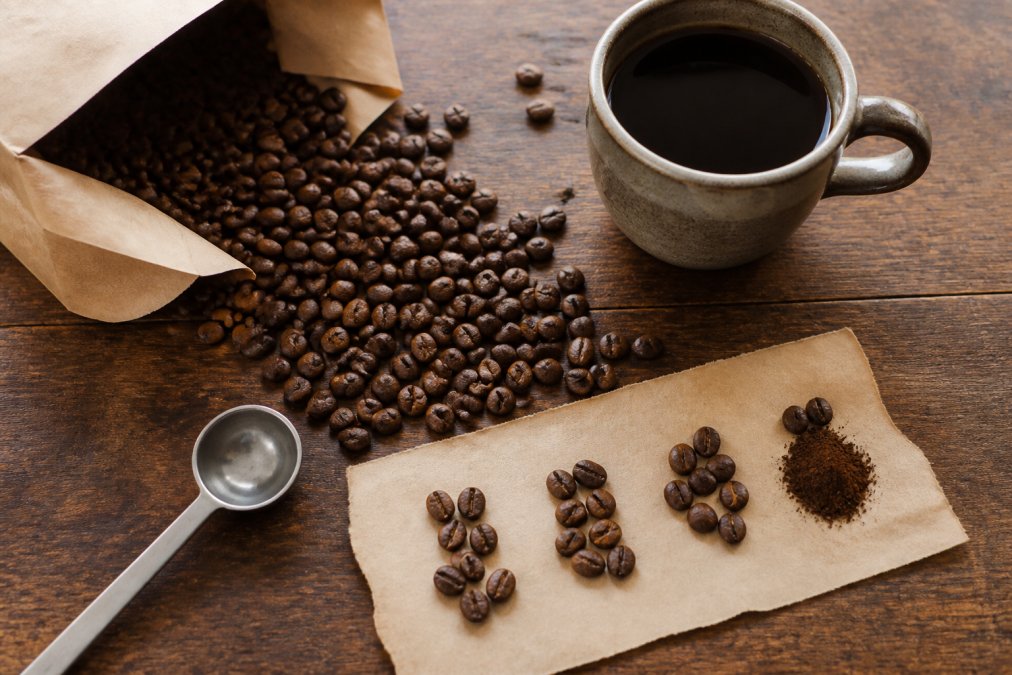
For pour-over and drip brewing, choose washed-process coffees with bright acidity. These methods extract cleanly, so the coffee's origin character comes through clearly. Hall's Coffee & Tea's Colombia works beautifully here.
For French press and immersion brewing, fuller-bodied coffees shine. Natural-process coffees are ideal because their heavier body matches the brewing method's characteristics. Hall's Coffee & Tea's Ethiopia Natural delivers the full fruit-forward expression that immersion methods highlight.
For espresso, you need beans that can handle pressure and heat without becoming bitter. Medium roasts work better than light roasts for most home espresso machines.
Freshness matters more than origin. Coffee tastes best 2-4 weeks after roasting (peer-reviewed research). After 4 weeks, the beans begin losing aromatic compounds and the flavor flattens. Buy smaller quantities more frequently rather than large bags that sit for months.
Grind size must match your brewing method. Espresso requires fine grind. Pour-over requires medium grind. French press requires coarse grind. A burr grinder gives you control over grind size and consistency.
Water quality and temperature affect extraction as much as the beans themselves. Use filtered water if your tap water is heavily chlorinated or mineral-heavy. Brew between 195-205°F (ncausa.org). Too hot and you over-extract, creating bitter flavors. Too cool and you under-extract, creating sour or thin cups.
Traceability, Seasonality, and What Makes Single Origin Worth It
Traceability is the ability to trace a coffee from your cup back to the specific farm or region where it was grown. This matters because it creates accountability. When you know which farmer grew your coffee, that farmer has incentive to maintain quality. Specialty coffee roasters increasingly provide detailed traceability information including farm names, farmer names, altitude, processing method, and harvest date.
Seasonality means that single origin coffees change throughout the year. Each region has a harvest season, typically 2-4 months when ripe cherries are picked. The coffee from that harvest is released, and once it sells out, it's gone until the next harvest. Weather during harvest affects quality. A particularly rainy harvest season might produce coffees with more defects. A dry season might concentrate flavors more intensely.
Hall's Coffee & Tea's single origin selections rotate seasonally, reflecting actual harvest windows. This rotation means you're always getting coffee at its peak rather than drinking year-old inventory.
The economic impact on farmers is significant. Single origin coffees command higher prices, and when sourced directly, more of that price reaches the farmer. Fair trade and direct trade models ensure farmers earn sustainable income.
Choosing single origin coffee is choosing to slow down and pay attention to what you're drinking. It's an investment in quality, but also in understanding how elevation and soil create flavor, how processing decisions shape your experience, and how the choices you make support farmers around the world. Hall's Coffee & Tea's Single Origin Favorites Sample Pack offers the perfect entry point. You get to taste multiple origins and processing methods without committing to full bags. Start there, discover which flavor profiles resonate with you, and build your collection from what you learn.
Frequently Asked Questions
What does 'single origin' actually mean on a coffee label?
Single origin coffee comes from one specific country, region, or farm, rather than a blend of beans from multiple sources. This means every bean in your cup traces back to a single terroir, the specific soil, climate, and elevation of that location. The label tells you exactly where your coffee grew, giving you transparency and consistency in flavor profile. Blends, by contrast, combine beans from different origins to achieve a standardized taste.
Are single origin coffees always better than blends?
Not always, but single origin coffee offers something different: complexity and authenticity. Single origin beans showcase the unique characteristics of their terroir, while blends are designed for consistency and balance. If you want to taste the specific flavor notes of a region, say, the fruity acidity of Ethiopian Sidama or the cocoa notes of Brazilian Santos, single origin delivers that experience. Blends work well for everyday drinking, but single origin rewards attention and exploration.
How does geography affect the flavor of single origin coffee beans?
Geography shapes everything about coffee flavor. Elevation determines how slowly beans develop, creating more complex acidity and body. Soil type, volcanic loam, nitisols, or others, adds mineral notes. Climate affects how the coffee cherry ripens. A single origin coffee from 1,700 meters in Ethiopia tastes completely different from one grown at 750 meters in Brazil because of these geographic factors. This is terroir in action, and it's why single origin coffee offers such distinct tasting notes.
What's the difference between washed, natural, and honey processing?
Processing method dramatically changes flavor. Washed process removes the fruit before drying, resulting in clean, bright acidity and clarity. Natural process dries the whole cherry, adding fruity sweetness and body. Honey process sits between them, creating balanced complexity. Each method extracts different flavor compounds from the bean. Hall's Colombia uses fully washed processing for dried orange and berry notes, while our Ethiopia Natural uses full natural processing for milk chocolate and caramel. The same cultivar processed differently creates entirely different cups.
This article was written using GrandRanker
