

Premium Loose Leaf Tea Subscription Review
Table of Contents
- What Makes a Premium Loose Leaf Tea Subscription Worth It
- How We Evaluated Premium Loose Leaf Tea Subscriptions
- Best Way to Brew Loose Leaf Tea for Maximum Flavor
- How to Store Loose Leaf Tea to Keep It Fresh
- Benefits of Artisanal Loose Leaf Tea vs Bagged Options
- Customization and Variety in Premium Subscriptions
- Pricing, Value, and What to Expect from Your Investment
- Conclusion
Last Updated: August 30, 2026
What Makes a Premium Loose Leaf Tea Subscription Worth It
A premium loose leaf tea subscription delivers curated, high-quality teas directly to your door on a recurring schedule, offering access to artisan blends and single-origin selections you'd struggle to find locally. At Hall's Coffee & Tea, we've built our reputation on sourcing exceptional loose leaf tea that transforms your daily ritual into something genuinely special.

The difference between premium subscriptions and standard tea purchases comes down to curation, freshness, and intentionality. When you subscribe to a quality service, you gain access to expertly selected flavor profiles, brewing guidance, and seasonal harvests that evolve throughout the year. What separates a worthwhile subscription from an overpriced gimmick? Three things: sourcing transparency behind each blend, whether the tea arrives fresh and properly stored, and whether customization options let you skip flavors you don't want.
How We Evaluated Premium Loose Leaf Tea Subscriptions
We tested premium loose leaf tea subscriptions by examining sourcing transparency, brewing guidance, storage and freshness longevity, customization depth, and whether pricing justified the quality delivered.
Sourcing transparency reveals whether a company understands tea or simply repackages commodity blends. We looked for subscriptions that named their tea gardens, explained harvest timing, and showed clear supply chain relationships. A named single-origin with harvest dates and cultivar information means the company did the work.
Freshness longevity directly impacts whether your tea tastes exceptional or mediocre upon arrival. We evaluated packaging materials, shipping speed, and storage recommendations. A subscription that ships in sealed kraft paper with oxygen absorbers and arrives within 3-5 days maintains flavor complexity.
Customization and personalization options separate services that respect individual taste from those pushing a one-size-fits-all model. We examined whether subscribers could skip months, swap out teas they disliked, adjust frequency, or build custom selections.
Brewing guidance and tasting notes reveal whether the company understands their product. Quality subscriptions include steeping instructions with specific temperatures and times, flavor profiles, and suggestions for multiple infusions.
| Evaluation Criteria | What We Measured | Why It Matters |
|---|---|---|
| Sourcing Transparency | Named origins, harvest dates, cultivar details | Confirms quality and intentionality |
| Freshness Guarantee | Packaging materials, shipping speed, storage | Ensures flavor complexity upon arrival |
| Customization Options | Skip capability, tea swaps, frequency control | Lets you tailor the experience to your taste |
| Brewing Guidance | Steeping instructions, temperature, tasting notes | Makes loose leaf tea accessible to beginners |
| Value Proposition | Price per cup, quality-to-cost ratio | Justifies premium pricing |
Best Way to Brew Loose Leaf Tea for Maximum Flavor
The ideal brewing method involves three critical variables: water temperature, steeping time, and the tea-to-water ratio.
Water temperature is non-negotiable. Different tea types require different temperatures because excessive heat extracts bitter compounds while insufficient heat fails to release the full flavor profile. Black teas like Earl Grey need 195-212°F to develop their full body and malt notes. Green teas like Jasmine require 160-180°F to preserve their delicate, fruity character. Oolong teas fall between, typically around 190-205°F. Using a thermometer removes guesswork and is the single most important tool for consistent results.

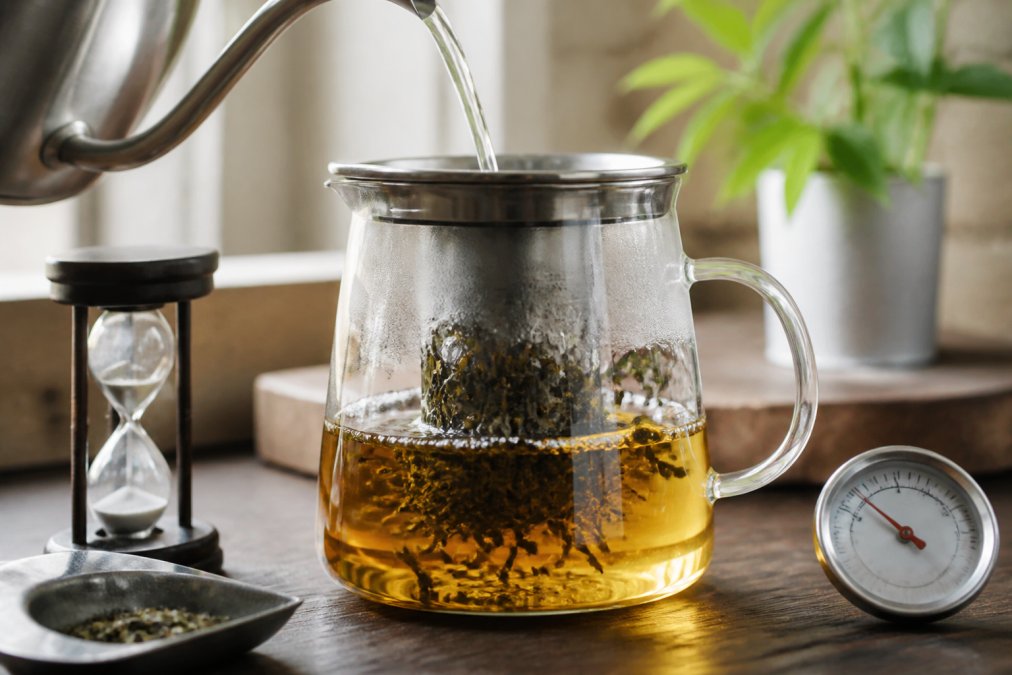
Steeping time determines strength and flavor balance. Most loose leaf teas benefit from 5-10 minutes for the first infusion, though quality blends can handle 2-3 additional steepings. Each subsequent steep requires slightly less time because the leaves have already begun releasing their compounds. Many premium subscriptions include specific steeping guidance on each package.
The ratio of tea to water matters more than most people realize. A common starting point is one teaspoon of loose leaf tea per 8 ounces of water, but this varies by tea type and personal preference. Denser teas like Masala Chai can handle slightly more leaf, while delicate green teas need less to avoid overwhelming bitterness.

Vessel choice affects heat retention and the brewing experience. Glass infusers let you watch the leaves unfurl and see the color develop. Ceramic or stainless steel infusers retain heat better. Avoid mesh strainers that are too fine, which restrict water circulation and create uneven extraction.
How to Store Loose Leaf Tea to Keep It Fresh
Storage directly determines how long your premium loose leaf tea maintains its flavor complexity and aroma profile. Poor storage degrades tea rapidly, turning bright, delicate notes into flat, stale flavors within weeks.
The enemy of tea freshness is exposure to air, light, heat, and humidity. Oxygen causes oxidation that breaks down flavor compounds. Direct sunlight degrades color and taste. Heat accelerates chemical reactions that make tea taste stale. Humidity causes mold growth and flavor absorption from surrounding odors.
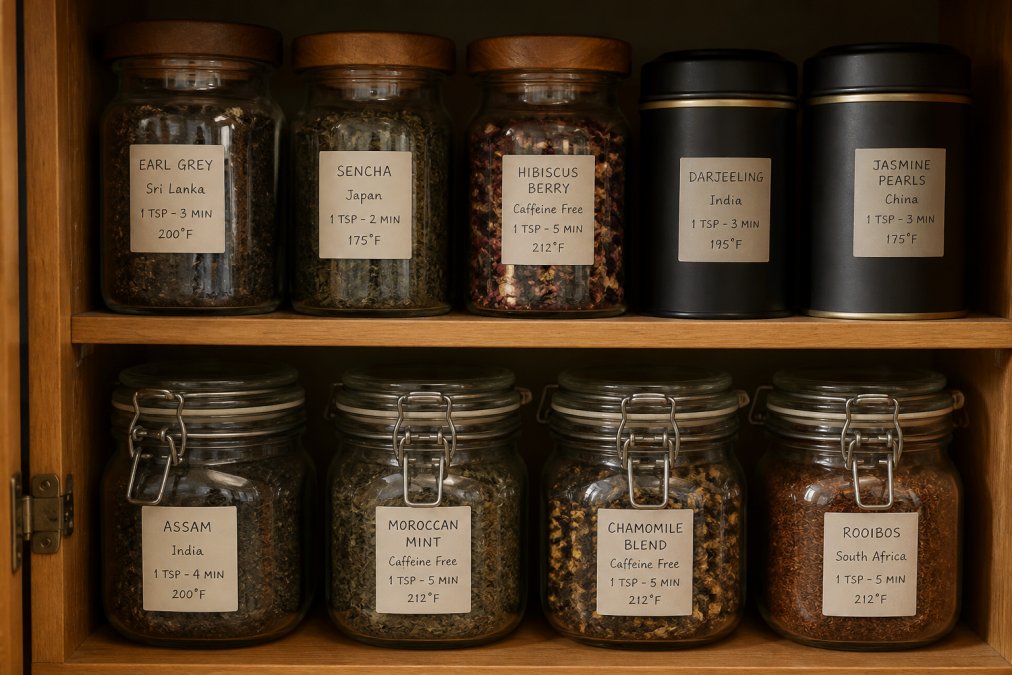
The ideal storage container is airtight, opaque, and kept in a cool, dry location. Glass jars with rubber-sealed lids work well because you can see your tea supply without opening them repeatedly. Avoid clear plastic containers that allow light penetration, and transfer tea from original paper packaging to sealed containers immediately after opening.
Temperature consistency matters more than absolute temperature. A cool pantry at 60-70°F is ideal. Avoid storing tea near your stove, oven, or anywhere that experiences temperature fluctuations.
Keep your tea away from strong odors. Tea absorbs surrounding smells readily, which is why storing it near spices, coffee, or cleaning supplies ruins the delicate flavor profile.
Most quality loose leaf tea stays fresh for 6-12 months when stored properly (peer-reviewed research). After that, the flavor gradually fades. This freshness window is why subscription timing matters, receiving regular shipments ensures you're always brewing tea near peak flavor.
Benefits of Artisanal Loose Leaf Tea vs Bagged Options
Artisanal loose leaf tea delivers measurably superior flavor complexity compared to bagged tea.
Bagged tea uses broken leaves, dust, and fannings, the fragments left over after whole leaves are sorted for loose leaf sales (the FDA). These fragments over-extract quickly, creating bitter, harsh flavors. The bag itself restricts water circulation, creating uneven steeping. You're essentially drinking the lowest-quality portion of the tea plant.
Artisanal loose leaf tea uses whole leaves and intact buds that unfurl slowly during steeping, releasing flavor compounds gradually and evenly. A quality Jasmine loose leaf blend reveals fruity notes, floral sweetness, and silky mouthfeel that bagged jasmine tea cannot match.
The experience itself differs fundamentally. Loose leaf tea invites you to slow down, measuring leaves, heating water to specific temperatures, watching the unfurling process. This ritual transforms tea from a caffeine delivery mechanism into a moment of intentional pause.
With loose leaf, you can blend your own combinations, adjust steeping times precisely, and re-steep the same leaves multiple times. Bagged tea offers one flavor profile, one steeping time, one experience.
The environmental impact of loose leaf tea generally favors artisanal options. Quality loose leaf comes in minimal packaging, often just kraft paper or sealed containers. Bagged tea generates waste through the bags themselves, which often contain microplastics or non-compostable materials.
Customization and Variety in Premium Subscriptions
The best premium loose leaf tea subscriptions treat customization as a core feature, not an afterthought.
Subscription frequency control lets you adjust how often tea arrives based on your consumption rate. The ability to pause without canceling matters, travel, life changes, or simply wanting to finish your current inventory shouldn't force you to abandon the subscription.
Tea selection options separate thoughtful subscriptions from rigid ones. The best services let you skip specific teas you dislike, swap out flavors for alternatives, or build custom selections from their full catalog. Some offer preset flavor profiles, bold and spicy, delicate and floral, energizing and bright, so you can choose what you're in the mood for.
Variety in tea types across subscriptions determines whether you'll discover new favorites or receive repetitive selections. A quality subscription rotates between black teas, green teas, oolong varieties, herbal infusions, and specialty blends like Masala Chai or Moroccan Mint.
Single-origin teas versus blended selections represent another customization consideration. Single-origin teas showcase the terroir of a specific tea garden. Blended teas combine leaves from multiple origins or add complementary ingredients like bergamot oil in Earl Grey. The best subscriptions include both.
Tasting notes and brewing guidance customization matters for beginners. Quality services include detailed tasting notes describing flavor profiles, specific steeping instructions with temperature and time, and suggestions for multiple infusions.
Pricing, Value, and What to Expect from Your Investment
Premium loose leaf tea subscriptions range from moderate to luxury pricing.
Entry-level subscriptions typically cost between $25-40 monthly for 2-4 ounces of tea, translating to roughly $0.50-$1.00 per cup (bls.gov). For comparison, specialty coffee shops charge $5-8 per cup, so premium loose leaf tea offers exceptional value when you brew at home. Hall's Coffee & Tea offers individual teas starting at $16-$20 per package, which you can purchase directly rather than committing to a subscription.
Mid-tier subscriptions run $40-60 monthly and typically include 4-6 ounces of carefully curated loose leaf tea with detailed sourcing information and brewing guidance. You're paying for curation expertise, sourcing relationships, and the convenience of discovery.
Luxury subscriptions exceed $60 monthly and focus on rare single-origin teas, limited harvests, and premium packaging. The per-cup cost rises significantly, but you're accessing teas that might not be available through retail channels.
What determines whether pricing is justified? Sourcing transparency, freshness guarantee, and customization. The hidden value in premium subscriptions lies in education, quality services teach you about tea varieties, flavor profiles, brewing techniques, and regional differences.
Conclusion
A premium loose leaf tea subscription worth your investment delivers three things consistently: expertly curated selections that introduce you to teas you wouldn't find locally, guaranteed freshness through thoughtful packaging and rapid shipping, and genuine customization that respects your preferences.
Hall's Coffee & Tea provides exactly this combination. Our carefully sourced loose leaf selections, from delicate Jasmine to bold Masala Chai, arrive fresh with detailed brewing guidance and multiple steeping potential. Free US shipping means you're investing purely in quality, not logistics. Start exploring your next favorite tea by browsing our collection of premium loose leaf options and experience why the ritual of a properly brewed cup transforms your daily pause into something genuinely restorative.
Frequently Asked Questions
Q: What should I look for in a premium loose leaf tea subscription?
A: Look for subscriptions that offer single-origin or artisanal blends with tasting notes, clear steeping instructions, and brewing temperature guidelines. Check whether the service provides customizable preferences so you can skip flavors you dislike. Verify sourcing transparency and whether the company describes its tea garden partnerships. Premium subscriptions should include variety across black tea, green tea, oolong, and herbal infusions, with seasonal harvests rotating throughout the year.
Q: Are loose leaf tea subscriptions worth the cost compared to buying individually?
A: Premium loose leaf tea subscriptions offer value through curated selection, discovery of flavors you wouldn't buy alone, and often lower per-cup costs than specialty shops. Monthly subscriptions introduce you to seasonal harvests and artisan blends you can't find locally. However, if you already know exactly what you like, buying individual selections may be more cost-effective. Subscriptions shine for flavor explorers who value convenience and want to support direct-to-farmer sourcing without managing inventory yourself.
Q: How do I know if a loose leaf tea subscription has high-quality tea?
A: Quality indicators include detailed tasting notes describing flavor profile and aroma, specific brewing temperatures and steeping times rather than generic instructions, and transparency about tea gardens or origins. Look for whether the company sources directly from farmers. Premium blends should list all ingredients clearly. Read customer reviews mentioning flavor complexity and freshness, and verify whether the subscription includes loose leaf tea rather than dust or broken leaves.
Q: Do I need special equipment to brew loose leaf tea from a subscription?
A: You don't need expensive equipment to start. A simple infuser basket, mesh strainer, or small teapot with a built-in filter works well for most loose leaf teas. Many subscriptions include brewing recommendations that work with basic tools. A gooseneck kettle helps with temperature control, but isn't essential. Some blends, like matcha, benefit from a whisk, but most artisanal loose leaf teas brew beautifully in standard mugs with an affordable infuser. Start simple and upgrade only if you find yourself enjoying the ritual.
This article was written using GrandRanker
