

Benefits of Single Origin Coffee: Why It's Worth It
Table of Contents
- The Real Benefits of Single Origin Coffee
- Single Origin vs Blend Coffee: What's the Difference?
- Coffee Flavor Profiles by Region: A Quick Tour
- Traceability and Quality: Following the Bean Back
- How to Brew Single Origin Coffee for the Best Taste
- Is It Worth the Price? A Cost Breakdown
- Conclusion: Your Next Cup Awaits
- Frequently Asked Questions
Last Updated: September 6, 2026
The Real Benefits of Single Origin Coffee
Single origin coffee is coffee grown within a single geographic region, farm, or cooperative, offering a distinct flavor profile that reflects that specific place. For many drinkers, the benefits of drinking single origin coffee go beyond taste, touching on traceability, ethical sourcing, and a deeper connection to the morning ritual. At Hall's Coffee & Tea, we believe a carefully sourced bean transforms an ordinary cup into a moment of genuine pause.
The most immediate benefit is flavor clarity. When you brew a single origin lot, you taste the terroir, the altitude, and the processing method in every sip, rather than a uniform blend designed for consistency. This transparency lets you explore the coffee belt one cup at a time, training your palate to recognize the bright acidity of a washed Ethiopian versus the heavy body of a wet-hulled Indonesian.
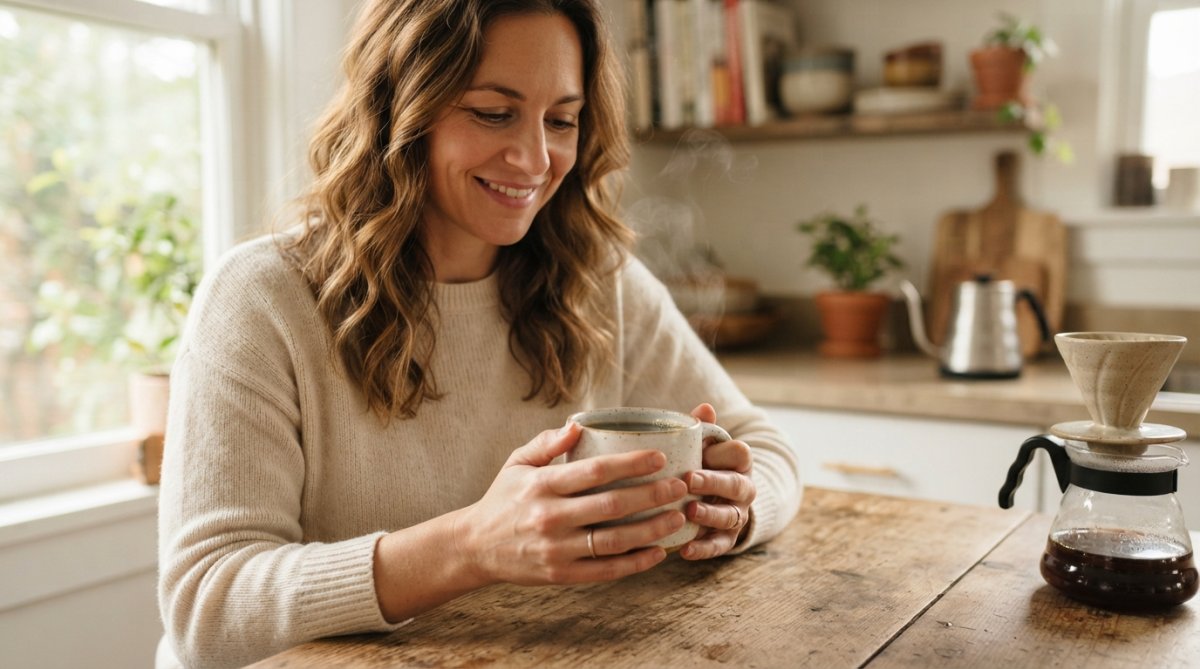
Below, we will walk through how single origin beans differ from blends, what flavors to expect from key regions, and how to brew them so you actually taste the difference. We will also cover whether the higher price tag is justified and how to get started without overthinking it.
Single Origin vs Blend Coffee: What's the Difference?
Single origin coffee is a coffee whose beans all come from one farm, estate, or region; a blend combines beans from multiple origins to create a balanced, consistent flavor. Blends are the workhorses of the coffee world. Roasters use them to build a reliable profile that tastes the same month after month, which is why most commercial bags and café house espressos are blends.
Single origin lots are the opposite. They highlight the unique characteristics of a specific place and harvest, which means the flavor can shift slightly from season to season. This is not a flaw, it is the point. A blend aims for uniformity; a single origin aims for expression. If you are someone who notices tasting notes like dark chocolate or dried orange, single origin vs blend coffee matters because the origin lot gives those notes room to shine without being muted by other beans.
Why a Single Farm or Region Changes the Cup
The short answer is terroir. The soil type, rainfall, and altitude of a farm shape how the coffee cherry develops. For example, a bean grown at 1,500 meters in volcanic loam matures slower, developing more complex sugars than one grown at lower elevation. The processing method, whether washed, natural, or honey, then adds another layer to the final cup. This is why two coffees from the same country can taste completely different.
Coffee Flavor Profiles by Region: A Quick Tour
Different growing regions produce predictably different cups, which makes exploring single origins a practical sensory education. But reading that a Colombian coffee has "dried orange" notes is not the same as tasting it. Here is a short guide to what you can expect from three classic regions, plus a method for actually perceiving those flavors.
| Region | Typical Altitude | Common Processing | Flavor Profile You'll Notice |
|---|---|---|---|
| Brazil | 750-1,050 M | Pulped natural | Smooth body, cocoa, low acidity |
| Colombia | 1,300-1,500 M | Fully washed | Dried orange, berry, chocolate |
| Bali, Indonesia | 1,200-1,600 M | Wet-hulled | Dark chocolate, molasses, brown sugar |
A washed Colombian coffee, for instance, often presents with bright, clean acidity and notes of dried orange and berry, as seen in [our Colombia offering](/products/colombia). In contrast, a wet-hulled Bali bean, like our Bali Blue, delivers a heavier, syrupy body with molasses sweetness.


How to Actually Taste the Notes
The flavor descriptors on a coffee bag are not marketing fluff, but they are also not literal. "Dried orange" does not mean the coffee tastes like orange juice. It means the coffee has a bright, citric acidity with a slightly sweet, dried fruit finish. To perceive this, you need to train your palate to separate the basic tastes: acidity, sweetness, bitterness, and body.
Step 1: Smell before you sip. The olfactory system does most of the flavor work. When you brew a new origin, put your nose over the cup and take three short sniffs. Try to name one aroma. It might be "fruity," "nutty," or "floral." Do not worry about being precise at first. The act of naming forces your brain to pay attention.
Step 2: Slurp it. A loud slurp aerates the coffee and spreads it across your palate. This is not rude; it is how professional cuppers taste. The aeration releases volatile aromatic compounds that you would otherwise miss.
Step 3: Locate the acidity. After you swallow, notice where the sensation hits your tongue. Acidity is felt on the sides of the tongue as a bright, tingling sensation. A washed Ethiopian will feel sharp and citrusy; a Brazilian will feel round and smooth with almost no tingling.
Step 4: Identify the finish. The finish is the aftertaste that lingers 30-60 seconds after swallowing. A Colombian often leaves a clean, orange-like finish. A wet-hulled Indonesian leaves a heavier, molasses-like coating that sticks around longer.
The Role of Processing in Flavor
Processing is the second biggest factor after terroir. A washed coffee (where the fruit is removed before drying) tends to have cleaner, brighter acidity and more floral notes. A natural coffee (where the cherry is dried whole) tends to have heavier body, more fruit sweetness, and sometimes a wine-like complexity. A honey process sits in between, offering sweetness without the full fruit punch.
This is why two coffees from the same farm can taste completely different. If you try a natural Ethiopian and find it too fruity, try the washed version of the same region. You will likely find a cleaner, more tea-like cup.
A Simple Palate Training Exercise
If you want to get better at tasting, do this once a week. Brew two coffees from different regions side by side. Take a sip of the first, then the second, then alternate. Notice the differences in acidity, body, and finish. Write down one word for each. After four weeks, you will start to recognize regional characteristics without looking at the bag.
Traceability and Quality: Following the Bean Back
Traceability is the practical benefit that separates single origin coffee from anonymous blends. Because the beans come from a known farm or cooperative, you can often find details about the grower, the varietal, and the harvest date. This transparency supports ethical sourcing and direct trade relationships, where more of the purchase price reaches the farmers who did the work.
Quality control also improves when the supply chain is short and specific. A roaster can cup each micro-lot to verify bean quality before roasting, rather than relying on a bulk commodity blend. This attention to detail is why specialty coffee roasters publish the altitude, soil type, and processing method for each lot, as we do for [our Brazil Santos beans](/products/brazil-santos). According to the Specialty Coffee Association's guide to green coffee grading, traceability is a core pillar of the specialty coffee definition, distinguishing it from commercial grade beans.

How to Brew Single Origin Coffee for the Best Taste
Most guides stop at "use a pour-over," but the real skill is matching the brew method to the bean's characteristics. Different methods extract different compounds, so the same coffee can taste wildly different depending on how you brew it. Here is how to think about it.
Match the Method to the Bean's Profile
Pour-over (V60 or Kalita Wave): This method excels at highlighting bright acidity and delicate floral or fruit notes. The thin bed of coffee and paper filter produce a clean, tea-like cup. Choose this for a washed Ethiopian with citrus or jasmine notes, where you want the acidity to shine. Use a medium-fine grind and water at 205°F.
French Press: The metal mesh filter lets natural oils and fine particles through, creating a fuller body and more mouthfeel. This method is better for a Brazilian or Colombian bean with chocolate or nut notes, where you want a heavier, rounder cup. Use a coarse grind and a 4-minute steep before pressing.
AeroPress: This is the most forgiving method for beginners. It works well with almost any single origin because you can adjust the pressure and steep time. For a natural-processed coffee with berry or wine notes, a longer steep (2 minutes) with a medium grind will bring out the sweetness without harshness.
Espresso: Single origin espresso is a different beast. The high pressure extracts more solubles, which can amplify both sweetness and acidity. A light-roasted Kenyan might taste sharply acidic as espresso, while a Brazilian with low acidity produces a smooth, chocolatey shot. If you are pulling single origin espresso, expect to dial in the grind size more often than with a blend, because the bean's density and processing affect how it responds to pressure.
The Grind Size Cheat Sheet
| Brew Method | Grind Size | Visual Cue | Best For |
|---|---|---|---|
| V60 / Kalita | Medium-fine | Table salt | Bright, acidic origins |
| French Press | Coarse | Sea salt | Full-bodied, chocolatey origins |
| AeroPress | Medium | Sand | Versatile, most origins |
| Espresso | Fine | Powdered sugar | Sweet, low-acidity origins |
The Water Temperature Variable
Water temperature is the most overlooked variable. Water that is too hot (boiling, 212°F) will over-extract the bitter compounds and flatten the delicate acids (ncausa.org). Water that is too cool (below 195°F) will under-extract, leaving the cup sour and weak. For most single origins, aim for 200-205°F. If you do not have a temperature-controlled kettle, let the water sit for 30-45 seconds after boiling before pouring.
A Practical Tasting Routine
To actually taste the difference, brew the same coffee two ways on the same day. For example, brew a washed Colombian in both a V60 and a French Press. The V60 will show brighter orange and berry acidity; the French Press will show more chocolate and a heavier body. This side-by-side comparison trains your palate faster than reading tasting notes.
[A Single Origin Favorites Sample Pack](https://hallscoffeeandtea.com/products/single-origin-favorites-sample-pack) is an easy way to practice this method across different regions without committing to a full bag. You can compare a washed Colombian against a wet-hulled Balinese to see how processing changes the body and finish.
Is It Worth the Price? A Cost Breakdown
Single origin coffee typically costs more than a commodity blend because of the smaller harvest volumes and the extra care in sourcing and processing. The question is whether that cost translates into a better daily experience. For many drinkers, the answer is yes, because the price reflects a shorter supply chain where farmers are paid more fairly for higher quality cherries.
A practical way to evaluate the cost is to compare it against what you already spend. A bag of specialty single origin beans, like the offerings from Hall's Coffee & Tea at $18.99, brews roughly 20 to 25 cups. That works out to under a dollar per cup for a noticeably better morning coffee. When you factor in the USDA's data on consumer coffee spending trends, the incremental cost of upgrading from a commercial blend is modest compared to the daily satisfaction it provides.
The seasonal availability of single origin lots is another reason for the price. Unlike blends that use year-round commodity beans, single origins are harvested once a year. Buying a fresh micro-lot supports the farmers directly and ensures you are drinking coffee at its peak, not beans that have sat in a warehouse for months.
Conclusion: Your Next Cup Awaits
Switching to single origin coffee is a small change that rewards you with greater flavor clarity, a transparent supply chain, and a more meaningful connection to your morning routine. The challenge is finding beans that are roasted and shipped fresh enough to preserve those delicate origin characteristics.
Hall's Coffee & Tea sources single origin beans with the care they deserve, offering free US shipping so your coffee arrives quickly after roasting. Our curated selection, from the cocoa notes of Brazil Santos to the dark chocolate depth of Bali Blue, is designed for home brewers who want quality without the guesswork. Get started with Hall's Coffee & Tea and taste the difference in your next cup. SHOP COFFEE.
Frequently Asked Questions
Is single origin coffee healthier than blends?
Single origin coffee isn't inherently healthier in a nutritional sense, but the bigger benefit is knowing exactly what you're drinking, since traceability allows for more rigorous quality control at every step, from harvest to roast.
Does single origin coffee have more caffeine?
No, the caffeine content is not determined by whether a coffee is single origin or a blend. Caffeine levels are primarily a result of the coffee variety and the roasting process. In fact, a darker roast, which is common for some blends, can slightly reduce caffeine content. The real difference you'll notice with single origin is in the flavor clarity and unique tasting notes, not a caffeine boost.
Why does single origin coffee taste different from blends?
Blends are created by roasters to achieve a balanced, consistent, and often familiar flavor profile by combining beans from multiple origins. Single origin coffee showcases the unique characteristics of one specific farm or region, often called 'terroir.' This includes the altitude, soil, and processing method, which all contribute to distinct tasting notes like the dark chocolate and molasses in a Bali Blue or the dried orange and berry in a Colombian.
How can you tell if coffee is truly single origin?
Look for transparency on the packaging. A reputable roaster will provide specific details like the country, region, farm or cooperative, and even the varietal and processing method. For example, our Bali Blue lists the smallholder farmers from Kintamani and the wet-hulled process. If a bag only says 'Colombia' without more detail, it might be a blend of many farms in that country, which is common. This level of detail is a good sign of a genuine single origin product.
