

How to Identify High Quality Tea: A 2026 Guide
Table of Contents
- Why Identifying High Quality Tea Starts Before the First Sip
- The Dry Leaf Test: Visual Indicators of High Quality Tea
- Tea Grading Systems Explained: From Orange Pekoe to Fannings
- Evaluating the Brewed Cup: Liquor, Aroma, and Mouthfeel
- The Wet Leaf Analysis: A Pro Secret to Spotting Quality
- Loose Leaf Tea vs Tea Bags: Why Format Dictates Quality
- The Best Way to Brew Loose Leaf Tea for a True Taste Test
- How to Store Loose Leaf Tea Without Losing Freshness
- Frequently Asked Questions
Last Updated: September 4, 2026
Why Identifying High Quality Tea Starts Before the First Sip
Most tea drinkers judge quality only after the leaves hit hot water, but the story of high quality tea is written long before brewing begins. Learning how to identify high quality tea requires reading the visual, aromatic, and structural clues locked in the dry leaf itself. At Hall's Coffee & Tea, we evaluate every loose-leaf lot we source against the same professional standards outlined here, because the leaf tells you everything about the care taken from harvest to packaging.
High quality tea is the result of precise plucking, careful processing, and proper storage, and each step leaves physical evidence you can learn to read. The conventional advice about "trusting your taste buds" only gets you halfway. A systematic inspection of the dry leaf, the brewed liquor, and the spent wet leaf reveals more about quality than any single sip ever will. Below, we'll walk you through the exact sensory evaluation methods used by professional tasters, including two angles most guides miss entirely.
The Dry Leaf Test: Visual Indicators of High Quality Tea
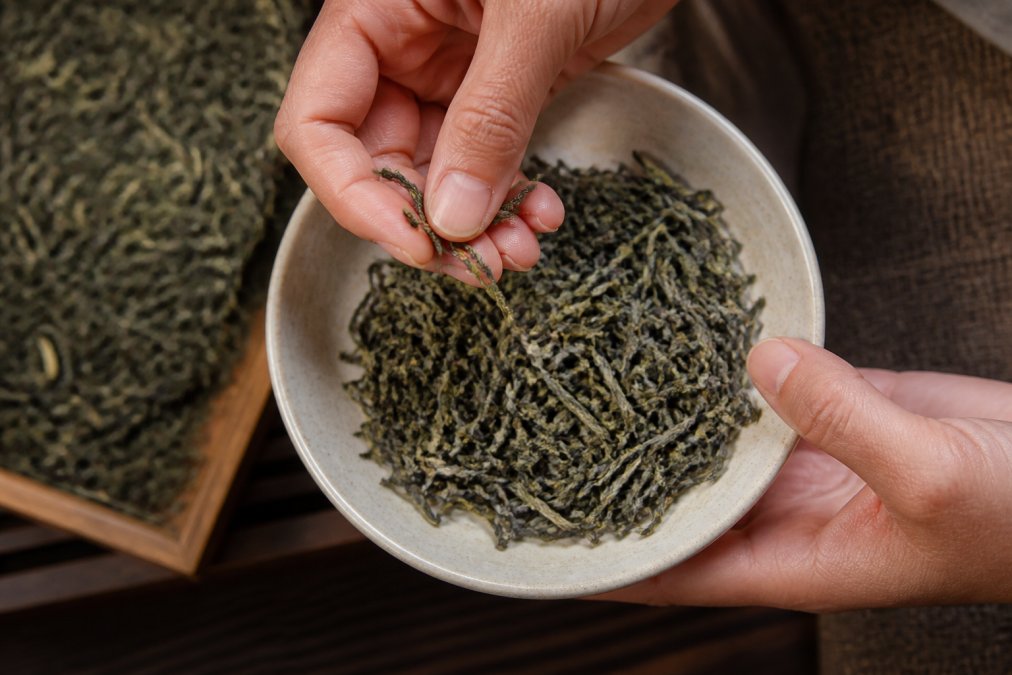
Begin your evaluation by examining the unbrewed leaves in good, indirect light. High quality tea displays remarkable visual consistency, which signals careful sorting and grading at the origin.
Leaf Uniformity and Whole Leaf vs. Broken Grades
Check for uniformity in size, shape, and color across the sample. Premium whole leaf teas look almost machine-sorted because skilled producers grade them meticulously. A handful of quality tea should contain leaves of similar dimension and consistent color, whether you are examining a green tea or a dark, withered oolong.
Aroma and Fragrance of Unbrewed Leaves
Cup the dry leaves in both hands, warm them with your breath, and inhale deeply. Fresh, high quality tea releases a clean, pronounced fragrance with no mustiness or stale notes. The aromatic profile should match the tea type: vegetal and sweet for green teas, toasted and rich for roasted styles. A flat or dusty smell indicates age or poor storage.
Tea Grading Systems Explained: From Orange Pekoe to Fannings
Tea grading systems explained in plain terms removes much of the guesswork from buying, but the system is more nuanced than a simple whole-leaf-versus-broken split. Understanding the actual grade names and what they physically mean helps you decode any catalog or retail label.
Whole Leaf Grades: What the Letters Actually Mean
Whole leaf grades are assigned based on leaf size, shape, and the presence of buds. The most common scale, used across India, Sri Lanka, and parts of Africa, runs roughly from smallest to largest:
- OP (Orange Pekoe): Whole leaves of a consistent size, rolled lengthwise. This is a workhorse grade for daily drinking, clean, balanced, and reliable.
- FOP (Flowery Orange Pekoe): Whole leaves that include a higher proportion of tips (the unopened leaf bud). The presence of tips generally correlates with a sweeter, more refined cup.
- TGFOP (Tippy Golden Flowery Orange Pekoe): A grade that signals a noticeable amount of golden tips mixed into the leaf. The "golden" descriptor refers to the downy, pale-colored bud hairs that catch the light. This grade is common in high-end Darjeeling and Assam lots.
- SFTGFOP (Super Fine Tippy Golden Flowery Orange Pekoe): The top of the conventional scale, indicating an exceptional ratio of tips to leaf. This is the grade you see on auction sheets for premium single-estate teas.
A key nuance: "Orange Pekoe" has nothing to do with orange flavor or color. The term likely derives from the Dutch House of Orange-Nassau, which was associated with the early Dutch tea trade, and "pekoe" comes from the Chinese term for the downy bud hairs (pak-ho) (britannica.com).
Broken Grades, Fannings, and Dust: The Trade-Offs
Broken grades (BOP, BFOP, etc.) are cut or torn during processing to speed up oxidation and produce a stronger, faster-brewing cup. Fannings are smaller fragments that fit through a specific mesh size, and dust is the finest grade of all. These smaller particles have vastly more surface area per unit of weight, which means they extract rapidly, often becoming bitter or astringent within 30 to 60 seconds of steeping. They also lose aromatic oils faster during storage because the protective cell walls of the leaf are ruptured.
The trade-off is not purely about snobbery. Broken grades and fannings are the standard for many traditional milk-tea preparations (like masala chai) where a brisk, strong base is desired. The problem arises when a retailer sells fannings or dust at whole-leaf prices without disclosing the grade, or when a tea bag contains dust that has been sitting on a shelf for two years.
How to Verify the Grade You Are Buying
Most specialty retailers do not print the full grade on the package, so you need to ask two questions: What is the leaf grade, and what is the harvest date? A reputable seller should be able to tell you both. If the answer is "we don't track that," treat the tea as commodity-grade regardless of the label.
You can also verify the grade visually. Whole leaf OP or FOP grades should look like intact, twisted or rolled leaves with minimal loose fragments at the bottom of the bag. If you see a layer of fine dust settled at the bottom, the lot has experienced mechanical breakage during shipping or handling, a sign that the packaging was not gentle enough for the product.
Evaluating the Brewed Cup: Liquor, Aroma, and Mouthfeel
Now the real test begins. Brew a fresh sample using the best way to brew loose leaf tea: about one teaspoon of leaf per eight ounces of water just below boiling (or cooler for green tea), steeped for two to three minutes. Evaluate the result immediately.
Color and Clarity of the Liquor
Pour the brewed tea into a white cup and examine the liquor. High quality tea produces a bright, clear infusion, regardless of whether it is pale green or deep amber. Cloudiness can indicate poor processing or stale leaf. The color should look alive and translucent, never muddy or dull.
Taste Profile: Sweetness, Bitterness, and Astringency
Take a sip and let it coat your whole palate. Quality tea balances sweetness, bitterness, and astringency into a harmonious profile. A lingering finish and gentle aftertaste signal careful processing. Harsh bitterness or drying astringency that overwhelms the cup suggests low-grade leaf or over-extraction.
The Wet Leaf Analysis: A Pro Secret to Spotting Quality
Most guides stop at the liquor, but professional tasters always examine the spent leaves after brewing. Spread the wet leaves across the lid of your teapot or a white saucer. High quality tea leaves will have largely unfurled to their full shape, showing whole, intact structure with clean, even edges. Broken, mushy, or torn wet leaves indicate heavy processing or low-grade material. This wet leaf analysis also reveals the plucking standard: look for a consistent leaf bud and one or two leaves pattern, which signals hand-picking at the optimal harvest season.
Loose Leaf Tea vs Tea Bags: Why Format Dictates Quality
The debate over loose leaf tea vs tea bags comes down to simple physics. Tea bags, especially the standard supermarket variety, contain fannings and dust, tiny particles that oxidize quickly and lose aromatic oils. Even quality leaf inside a bag is crushed, which accelerates staleness. Loose leaf tea preserves the integrity of the whole leaf, protecting the delicate compounds that create complexity and allowing multiple steepings.
The Best Way to Brew Loose Leaf Tea for a True Taste Test
To fairly assess any tea, you need to control variables that most home brewers ignore. The biggest overlooked factor is not leaf quantity or steeping time, it is the water itself. Water chemistry can make a mediocre tea taste acceptable or a premium tea taste flat, and most buying guides never mention it.
Why Water Mineral Content Overrides Leaf Quality
Water acts as the solvent that extracts flavor compounds from the leaf. If the water is low in dissolved minerals (below roughly 50 ppm total dissolved solids), it tends to produce a thin, sharp, or hollow cup because it over-extracts certain acids. If the water is very hard (above 200 ppm), the calcium and magnesium ions bind with tea polyphenols, dulling both aroma and flavor and creating a cloudy liquor.
The sweet spot for most teas is water with moderate mineral content, roughly 100 to 150 ppm total dissolved solids, with a balanced ratio of calcium to magnesium. This is why the same tea can taste dramatically different when brewed with tap water in one city versus another. If your tap water is heavily chlorinated or very hard, use a simple carbon filter or a bottled spring water with a labeled mineral profile. Do not use distilled water, it produces a flat, lifeless cup because there are no minerals to buffer the extraction.
Standard Cupping Parameters for a Fair Comparison
Professional tea tasters use a standardized method precisely so that the only variable is the leaf. You can replicate this at home:
- Leaf amount: 2 grams of leaf per 6 ounces of water (roughly 1 teaspoon for most whole leaf teas, but weight is more accurate than volume).
- Water temperature: 195°F to 205°F for black and dark oolong teas; 175°F to 185°F for green, white, and light oolong teas. Boiling water scalds delicate leaves and extracts harsh bitterness.
- Steep time: 3 minutes for the first infusion. This is longer than most people brew for drinking, but it is intentional, it forces the leaf to reveal both its strengths and its flaws. A quality leaf will remain balanced even at this longer extraction; a low-grade leaf will turn bitter and astringent.
- Vessel: Use a plain white ceramic cup or a glass cup. Colored or patterned cups interfere with your ability to assess the liquor color.
The Multi-Infusion Test: A Quality Signal Most Guides Miss
The single most revealing test for whole leaf tea is the second and third infusion. Low-grade or heavily processed teas often taste acceptable on the first steep because the surface flavors are still present, but they collapse on the second steep, becoming weak, hollow, or bitter. High quality whole leaf tea, by contrast, releases flavor in stages. A tea that produces a flavorful, distinct second infusion (and often a third or fourth) is structurally intact and has been processed to preserve the leaf's internal chemistry.
To run this test, brew your sample using the parameters above, then re-steep the same leaves immediately with fresh hot water for 2 minutes. Compare the aroma, color, and taste. If the second infusion is noticeably flat or harsh, the tea is likely low-grade or old. If it holds its character, you have confirmed a quality leaf.
How to Store Loose Leaf Tea Without Losing Freshness
Proper storage is the final gatekeeper of quality. High quality tea is hygroscopic, meaning it absorbs moisture and odors readily. Store loose leaf tea in an airtight, opaque container away from heat, light, and strong spices. Kept this way, most teas retain their character for months, though fresher is always better.
| Quality Indicator | What to Look For | Common Red Flag |
|---|---|---|
| Dry Leaf | Uniform size and color | Mixed fragments, dull hue |
| Aroma | Clean, pronounced fragrance | Musty or flat smell |
| Liquor | Bright and clear | Cloudy or muddy |
| Wet Leaf | Unfurled, intact structure | Broken or mushy pieces |
For those ready to put these skills into practice, our curated selection at Hall's Coffee & Tea offers whole leaf options like the hand-picked Jasmine green tea and the roasted, stone-milled Hojicha, both ideal for studying the indicators above. The USDA guidance on tea quality and grading provides additional context on agricultural standards, while the Specialty Tea Institute resources on sensory evaluation offers deeper training in professional cupping methods.

Mastering how to identify high quality tea transforms every cup from a gamble into a confirmation of craft. The visual, aromatic, and structural signals are all there waiting for you, from the dry leaf to the spent infusion. Hall's Coffee & Tea sources premium loose-leaf teas with the care that makes these quality markers easy to spot, delivering thoughtfully curated options and expertly crafted blends directly to your door with free US shipping. Get started with Hall's Coffee & Tea and taste the difference that proper evaluation reveals.
Frequently Asked Questions
What are the visual indicators of high-quality loose leaf tea?
Look for uniformity in the size and shape of the leaves. High quality tea features whole leaves that are consistently rolled or twisted, with minimal broken pieces, stems, or dust. The color should be vibrant and consistent, whether it's the deep jade of a green tea or the dark, glossy leaf of a black tea. A dull, faded appearance often signals old stock or poor processing.
What is the highest grade of tea?
In the orthodox grading system, the highest grades are reserved for whole leaf teas. For black tea, terms like Orange Pekoe (OP) and Flowery Orange Pekoe (FOP) indicate large, whole leaves. Superior grades often include 'Special' (S) or 'Golden' (G) prefixes, such as TGFOP, which signifies Tippy Golden Flowery Orange Pekoe. These leaves contain more tips, which contribute to a sweeter, more complex cup.
How does the aroma of premium tea differ from mass-market tea?
Premium loose leaf tea has a pronounced, complex fragrance that is often floral, vegetal, or malty, depending on the oxidation level. Mass-market tea bags, which often contain fannings and dust, generally have a flat, generic 'tea' smell or may even smell stale. A quick 'sniff test' of the dry leaves is a reliable indicator: quality tea should smell inviting and specific to its variety.
Does the origin of the tea affect its overall quality?
Yes, origin is a major factor. Specific regions, known as terroir, produce teas with distinct flavor profiles due to altitude, soil, and climate. For example, high-mountain oolongs and first flush Darjeelings are prized for their unique characteristics. Knowing the specific estate or region is a hallmark of quality, whereas generic blends often obscure lower-grade leaves from multiple origins.
What is the difference between loose leaf tea vs tea bags for quality?
The primary difference lies in the leaf grade. High quality tea is almost exclusively sold as whole loose leaves, preserving essential oils and flavor. Tea bags typically contain fannings and dust, which are broken remnants that lose flavor quickly and steep into a bitter, astringent cup. For the fullest aromatic profile and complex taste, loose leaf tea is the clear choice.
How do I store high-quality tea to maintain its freshness?
Store loose leaf tea in an airtight, opaque container away from light, heat, moisture, and strong odors. A cool, dark cupboard is ideal. Avoid the refrigerator, as moisture can degrade the leaves. When stored properly, most teas retain their peak quality for 6 to 12 months, though green teas are best consumed sooner to preserve their delicate vegetal notes.
What is the unhealthiest tea to drink?
Most pure teas are healthy, but the unhealthiest options are usually sugary bottled iced teas or cream-heavy blended drinks from cafes, which are high in added sugar and calories. Even some flavored tea bags can contain artificial sweeteners. For a healthy cup, stick to high quality pure loose leaf teas and control what you add to them.
This article was written using GrandRanker
