

How to Tell If Coffee Beans Are Fresh: 6 Simple Checks
Table of Contents
- Why Coffee Beans Fresh Matters for Every Cup
- Signs of Stale Coffee Beans: A Sensory Checklist
- How Long Do Coffee Beans Stay Fresh? A Practical Timeline
- The Coffee Bloom Test: A Step-by-Step Home Check
- Coffee Beans Roast Date: How to Read the Label and Packaging
- How to Store Coffee Beans to Keep Them Fresh
- Freshness vs. Roast Defects: When the Problem Isn't Age
- Conclusion: Trust Your Senses and Enjoy Fresh Coffee
- Frequently Asked Questions
Last Updated: October 6, 2026
Why Coffee Beans Fresh Matters for Every Cup
Knowing how to tell if coffee beans are fresh is the single biggest factor separating a memorable cup from a disappointing one.
Freshly roasted beans hold volatile oils that carry aroma and flavor. Once those oils fade, so does the cup.
- Fresh beans smell sweet, bold, and alive
- Stale beans smell faint, flat, or like cardboard
- Fresh beans taste bright, sweet, and layered
The tricky part? Most bags give you no clear freshness clue. So you need your own checks.
Below, we'll show you exactly how to test beans at home in minutes. We'll also cover a freshness timeline, a bloom test, and how to read roast dates.
Signs of Stale Coffee Beans: A Sensory Checklist
The clearest signs of stale coffee beans show up in three places: smell, taste, and appearance. Your nose usually catches it first. Your tongue confirms it.
Here's what to check, in order.
Smell: Faint Aroma vs. Flat, Papery Scent
Fresh beans hit you with a strong aroma the moment you open the bag. You might catch chocolate, fruit, or caramel notes.
Stale beans smell weak. Some smell like paper, cardboard, or dry hay. If you have to bury your nose in the bag to smell anything, that's a warning sign.
Try this: pour a few beans into your hand and crush them. Fresh beans release a burst of scent. Stale beans barely register.
Taste: Vibrant, Lively Flavors vs. Hollow Flavor
The taste test is the most reliable check. Brew a small cup and sip it black.
Fresh coffee tastes vibrant and lively. You get sweetness, acidity, and clear flavor notes. Our Ethiopia Natural, for example, carries milk chocolate, fruity, and caramel notes when fresh.

Stale coffee tastes flat and hollow. It may taste bitter, woody, or papery. Some describe it as "just brown water."
Appearance: Dull Beans and Oily Residue
Look closely at the beans themselves. Fresh whole beans have a matte, even surface. They look plump, not dried out.
Signs beans have lost freshness:
- Dull, faded color
- Dry, cracked surfaces
- Heavy oily residue on dark roasts (a sign of age, not quality)
One note: a little oil on dark roast beans is normal right after roasting. Heavy oil plus a dull look usually means the beans are past their prime.
How Long Do Coffee Beans Stay Fresh? A Practical Timeline
How long do coffee beans stay fresh? Most whole beans peak between 4 and 14 days after roasting and start fading after about 3 to 4 weeks.
Storage changes everything. Here's a practical timeline:
| Storage Method | Peak Freshness | Starts Fading | Notes |
|---|---|---|---|
| Sealed bag, room temp | 4-14 days | 3-4 weeks | Best for daily use |
| Airtight container, dark cabinet | 4-14 days | 4-6 weeks | Keeps aroma longer |
| Freezer, sealed | 4-14 days | 2-3 months | Freeze in small batches |
| Fridge | 4-14 days | 1-2 weeks | Moisture risk, avoid |
| Pre-ground coffee | Hours | 3-7 days | Loses aroma fast |
A few things speed up the decline: air, light, heat, and moisture. Keep beans away from all four.
Buy in smaller amounts if you drink one or two cups a day. A 12-ounce bag lasts most people about two weeks, which fits the fresh window well.
The Coffee Bloom Test: A Step-by-Step Home Check
The coffee bloom test is the fastest way to judge freshness without tasting a single sip.
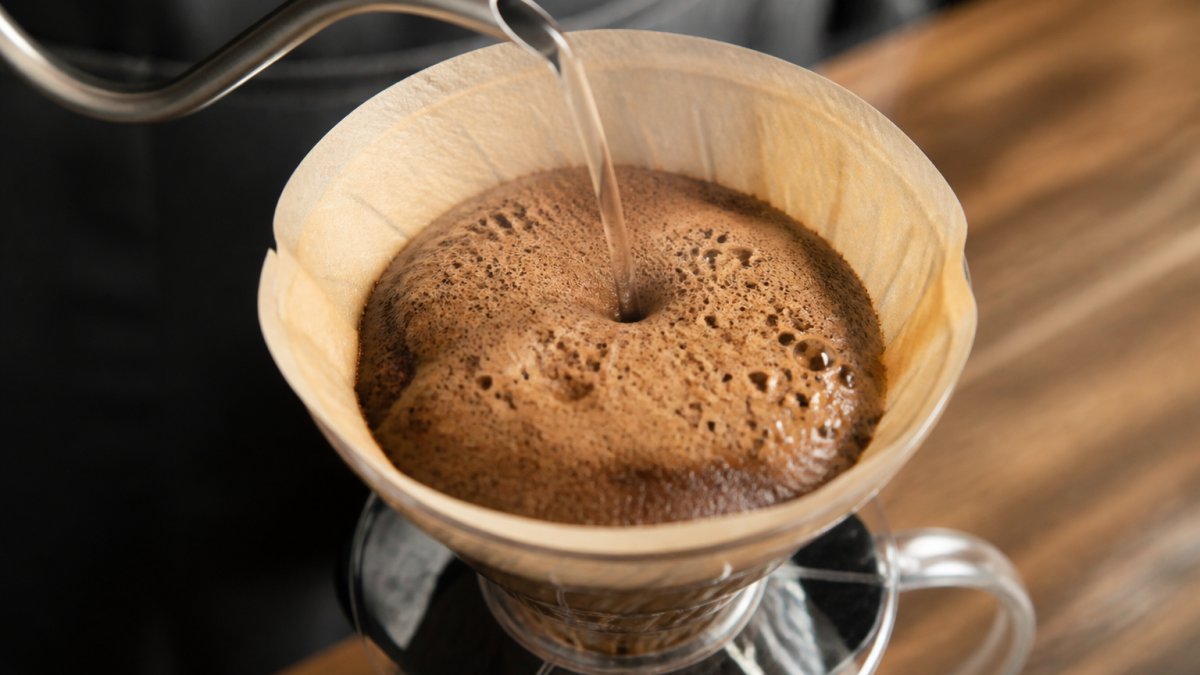
Here's how to run it.
- Heat your water to just off boiling, around 200°F.
- Add 2 tablespoons of ground coffee to a mug or pour-over filter.
- Pour a small splash of water over the grounds, just enough to wet them.
- Watch for 30 seconds. A fresh bloom rises and bubbles.
- Note the size. A big, foamy dome means fresh. A pale, flat bloom means stale.
- Smell the foam. Fresh bloom smells sweet and rich.
- Repeat monthly to track how your beans age.
A thick bloom isn't proof of great coffee. It only proves the beans still hold gas. But combined with smell and taste, it's a strong freshness signal.
Coffee Beans Roast Date: How to Read the Label and Packaging
The roast date is the most useful number on any bag. It tells you exactly how old the coffee is. A "best by" date tells you almost nothing, because it is set by the seller and often runs 9 to 12 months past roast.
Here's how to read the label like a pro.
- Look for "Roasted on" followed by a specific date. That's what you want.
- Ignore "Best by" or "Sell by" dates. They're set by the seller, not the roast.
- Watch for vague labels. "Packed on" or "Best before" without a roast date hides the truth.
A practical rule: buy beans roasted within the last two weeks. If the bag has no roast date at all, treat that as a red flag.
What the Packaging Is Actually Doing
Most guides stop at the label. The bag itself is a freshness clue, and the mechanics matter more than the date alone.
- One-way valve. A small button-like valve on the front of the bag lets carbon dioxide escape without letting oxygen in. Fresh beans degas for several days after roasting, and without a valve a sealed bag would puff up and eventually burst. A working valve is a sign the roaster expects gas to still be releasing.
- Degassing window. Beans release most of their carbon dioxide in the first 24 to 72 hours after roasting. This is why many roasters rest beans before shipping and why a bag roasted yesterday may brew flat even though it is technically "fresh."
- Nitrogen flush. Some roasters displace oxygen with nitrogen before sealing. This slows oxidation and can extend usable life, but it does not stop staling once the bag is opened.
How to Judge Freshness Before You Open the Bag
You can't smell through sealed packaging, but you can gather clues:
- Find the roast date. If it's more than 3 to 4 weeks old, expect faded flavor regardless of packaging.
- Press the valve gently. A working valve should release a small puff of coffee-scented gas. No scent at all is a mild warning sign.
- Feel the bag. A bag with some give suggests active degassing. A completely rigid or completely limp bag tells you less.
- Check the seal. A broken or resealed bag has likely been exposed to air.
At Hall's Coffee & Tea, we roast to order, so the roast date on your bag reflects when your coffee was actually roasted, not when it was packed. That means the degassing window and the valve are working the way they should when the bag reaches you.
How to Store Coffee Beans to Keep Them Fresh
Storing beans well is the easiest way to slow the clock. The goal is simple: block air, light, heat, and moisture. But how much time each method actually buys you varies a lot, and most guides skip that part.
The Freshness Clock by Storage Method
Here's a practical timeline you can use to decide how much coffee to buy and how to store it.
| Storage Method | Peak Window | Starts Fading | Fully Stale |
|---|---|---|---|
| Sealed valve bag, room temp | 4-14 days | 3-4 weeks | 6-8 weeks |
| Airtight container, dark cabinet | 4-14 days | 4-6 weeks | 8-10 weeks |
| Freezer, sealed in small batches | 4-14 days after thaw | 2-3 months | 4-6 months |
| Refrigerator | 4-14 days | 1-2 weeks | 3-4 weeks |
| Pre-ground coffee | Hours | 3-7 days | 2-3 weeks |
A few things speed up the decline: air, light, heat, and moisture. Keep beans away from all four.
What Actually Works, and Why
- Keep beans whole until you brew. Grinding exposes far more surface area to oxygen, and ground coffee can lose most of its aroma in a single day.
- Use an airtight container. A one-way valve bag works well too, because it lets carbon dioxide out without letting oxygen in.
- Store in a dark, cool cabinet. Not above the stove or in sunlight. Heat accelerates the oxidation that flattens flavor.
- Skip the fridge. Every time you open the door, condensation forms on cold beans. Moisture ruins them fast.
The Trade-Off Nobody Mentions
Freezing is the best long-term option, but it has a catch: beans absorb odors from the freezer, and repeated thaw-and-refreeze cycles introduce moisture.
Airtight containers are convenient but only as good as their seal. A container that lets air in is no better than a folded bag. If you can smell coffee when the lid is on, air is getting in.
Freshness vs. Roast Defects: When the Problem Isn't Age
Sometimes stale-tasting coffee isn't stale at all. It's a roast defect or low-quality green coffee.
Here's how to tell the difference:
| Symptom | Likely Cause | Fix |
|---|---|---|
| Faint aroma, flat taste | Stale beans | Buy fresher, store better |
| Bitter, ashy taste | Over-roasted beans | Try a lighter roast |
| Baked, bread-like taste | Under-developed roast | Switch roasters |
| Woody, earthy taste | Poor green coffee | Buy higher-grade beans |
| Sour, grassy taste | Under-roasted beans | Try a medium roast |
A common mistake is blaming age for a bad cup when the real issue is the roast or the bean itself.
What most guides miss is this: fresh beans from a bad roast still taste bad.
That's why we source single-origin beans with clear tasting notes, like our Brazil Santos with its smooth cocoa profile or our Colombia with dried orange, berry, and chocolate notes.

If your beans pass the smell, taste, and bloom checks but still disappoint, the problem is the roast or the source.
Conclusion: Trust Your Senses and Enjoy Fresh Coffee
The challenge is simple: most bags hide how old your coffee really is. So trust your nose, your tongue, and the bloom. They'll tell you the truth in seconds.
When you want beans that arrive fresh and ready to brew, Hall's Coffee & Tea roasts to order and ships free across the US. Every bag features premium single-origin selections, secure checkout, and delivery straight to your door. Our Whiskey Barrel Aged beans rest 30 days in a bourbon barrel before roasting, for a cup with real depth.

Get started with Hall's Coffee & Tea and taste what fresh coffee should be.
Frequently Asked Questions
Can you tell if coffee beans are stale by smelling them?
Yes. Fresh coffee beans have a strong, sweet, and complex aroma. Stale beans smell faint, flat, or like paper and cardboard. For a quick check, place a small handful of whole beans in a sealed jar for an hour, then open it and smell. If the scent is weak or unpleasant, the beans have likely lost their freshness.
Should fresh coffee beans have an oily surface?
It depends on the roast level. Dark roasts often develop a shiny, oily surface within days of roasting because the roasting process brings oils to the bean's surface. Medium and light roasts usually stay dry. If a medium roast suddenly becomes oily and smells stale, it may be past its prime. Oily residue alone is not a reliable sign of freshness.
How long do whole coffee beans stay fresh after roasting?
Whole beans stay fresh for about 2 to 4 weeks after the roast date when stored in an airtight container away from light, heat, and moisture. For peak flavor, aim to use them within 2 weeks. After 4 to 6 weeks, the aroma and taste decline noticeably. Ground coffee loses freshness much faster, often within days.
How can you tell if coffee beans are high quality?
High-quality beans usually have a clear roast date, a uniform color, and a strong, pleasant aroma. They taste sweet, fruity, or chocolatey, depending on the origin, with no flat or papery notes. Packaging details like a one-way degassing valve and opaque material also signal that the roaster cares about freshness. Look for single-origin options such as Ethiopia Natural or Colombia from Hall's Coffee & Tea.
