

How to Fix Stale Coffee Beans: 5 Revival Methods
Table of Contents
- What Happens When Coffee Beans Go Stale
- How to Store Coffee Beans for Freshness
- 5 Methods to Fix Stale Coffee Beans
- Understanding Coffee Bean Shelf Life
- Repurposing Old Coffee Beans Beyond Brewing
- When to Discard Stale Beans
- Conclusion
- Frequently Asked Questions
Last Updated: September 2, 2026
What Happens When Coffee Beans Go Stale
Coffee beans don't expire in the traditional sense, but they do deteriorate through oxidation and degassing. When beans are roasted, volatile compounds and aromatics are released. Over time, exposure to oxygen causes these flavor compounds to break down, resulting in a flat, dull cup that bears little resemblance to the vibrant brew you enjoyed fresh.
The degradation process accelerates when beans encounter light, heat, moisture, or air. Within two to four weeks of the roast date, most whole beans begin losing their brightness (peer-reviewed research). Pre-ground coffee deteriorates even faster because grinding exponentially increases surface area exposed to oxygen, causing rapid flavor loss within days.
Understanding what's happening chemically helps explain why certain revival methods work better than others. Stale beans haven't gone bad in a food-safety sense, they've simply lost the volatile compounds that make coffee taste exceptional. The good news: you can still brew something drinkable, and in some cases, even enjoyable, if you adjust your approach strategically.
How to Store Coffee Beans for Freshness
The foundation of preventing stale coffee beans starts with proper storage. An airtight container kept in a cool, dark place is non-negotiable. Oxygen is your enemy, so vacuum-sealed bags or containers with one-way degassing valves work best for long-term storage.
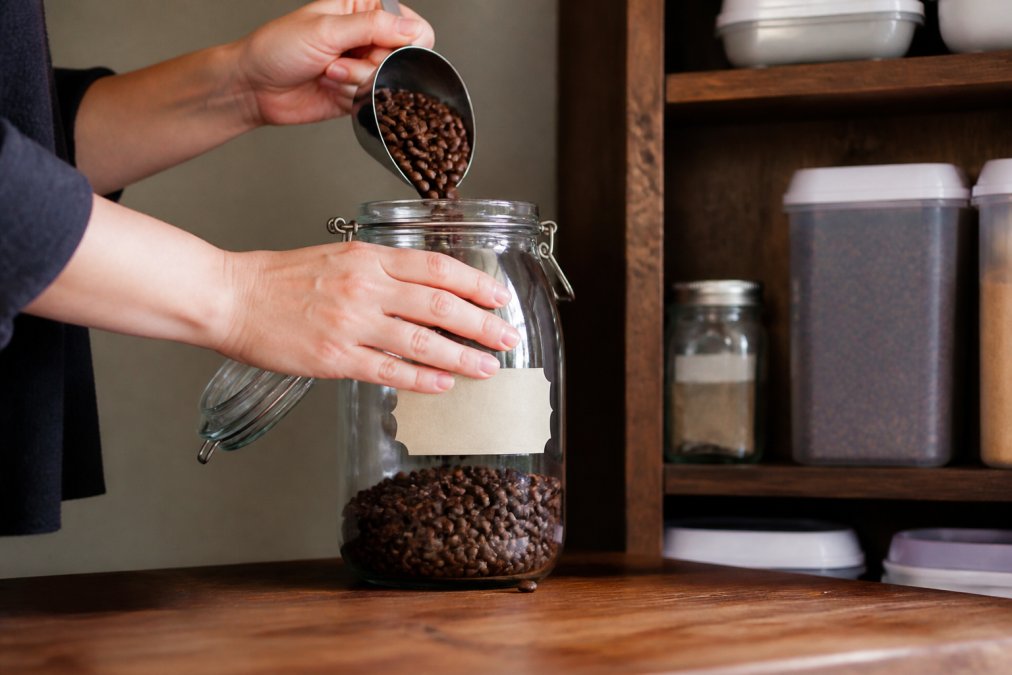
Temperature matters significantly. Store beans between 50-70°F if possible (usda.gov). Room temperature is acceptable, but avoid storing near heat sources, sunlight, or above appliances that generate warmth. Moisture is equally problematic, never refrigerate or freeze beans unless you're planning to use them within a week, as condensation will accelerate degradation.
The roast date on your bag is your most important reference point. Beans peak between 5-14 days after roasting, when CO2 is still releasing and aromatics are fully developed (peer-reviewed research). After that window, they're still good for brewing, but flavor complexity diminishes steadily. Most specialty roasters recommend consuming whole beans within 3-4 weeks for optimal flavor.
At Hall's Coffee & Tea, we focus on shipping fresh-roasted beans directly to your door to minimize the time between roasting and brewing. This approach ensures you're starting with beans at their peak potential, giving you the best foundation for a great cup even if storage conditions aren't perfect.
5 Methods to Fix Stale Coffee Beans
Once beans have begun to stale, you can't reverse oxidation, but you can compensate through brewing adjustments. The following methods work because they increase extraction yield, pulling more soluble compounds from the beans to create a fuller-bodied, more flavorful cup despite the missing aromatics.
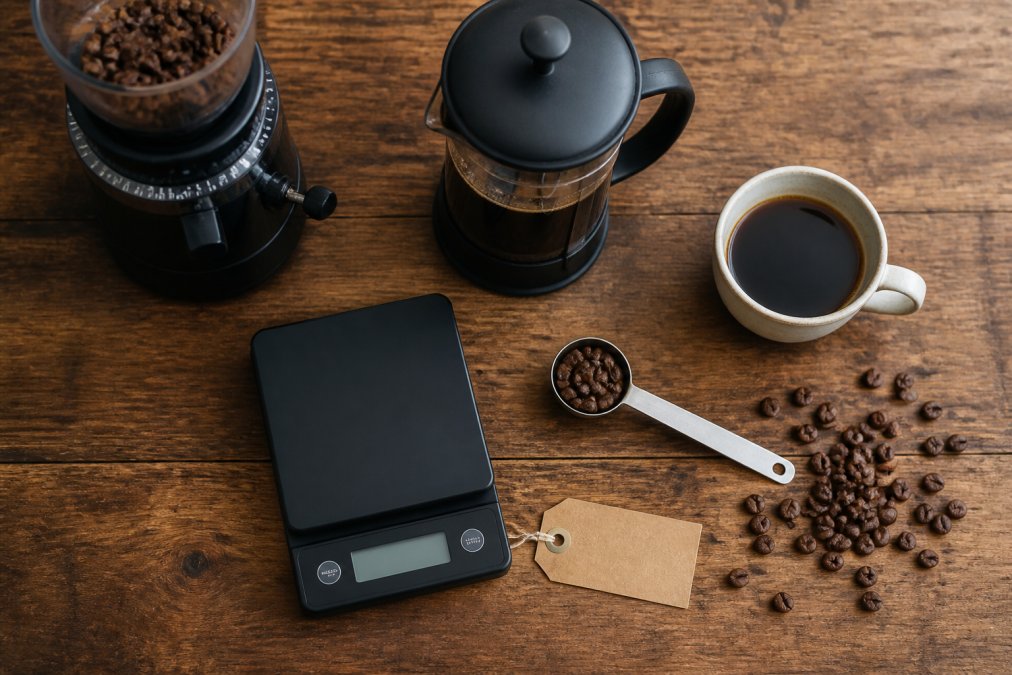
Method 1: Increase Your Dosage
The simplest approach is to use more coffee. If you normally brew with 1 ounce of beans per 16 ounces of water, increase to 1.1 or 1.2 ounces. This higher coffee-to-water ratio compensates for the reduced flavor intensity of stale beans by increasing the concentration of remaining soluble compounds in your cup.
This method works because you're essentially brewing a stronger cup. The trade-off is a slightly heavier body and potential increase in bitterness if you overdo it. Start by adding 10% more coffee than usual, then taste. If the cup still feels thin or flat, add another 5-10%. Most people find that a 15-20% dosage increase makes noticeably stale beans taste acceptable.
The advantage here is simplicity, no equipment changes needed. The disadvantage is that you're using more beans to achieve a mediocre result, which isn't economical if you're working with a large quantity of stale coffee.
Method 2: Adjust Grind Size for Better Extraction
Grinding finer increases surface area and extraction yield. When you grind finer, water contacts more of the bean's soluble compounds during brewing, pulling out more flavor from what remains in stale beans.
For drip coffee, shift from medium to medium-fine. For French press, move from coarse to medium. For espresso, adjust your grinder slightly finer than your normal setting. The finer grind slows water flow through the grounds, extending contact time and improving extraction.
The risk with this method is over-extraction, which creates unpleasant bitterness and astringency. You'll want to taste frequently as you adjust. A general rule: if your cup tastes harsh or overly bitter, you've gone too fine. The goal is to find the sweet spot where you've extracted maximum flavor without crossing into unpleasant territory.
Method 3: Switch to Cold Brew
Cold brew is remarkably forgiving with stale beans because the extended steep time compensates for missing aromatics. A 12-24 hour cold steep pulls out more soluble compounds than hot water can in minutes, creating a naturally smooth, full-bodied concentrate.
Stale beans lose their delicate top notes, but cold brew doesn't rely on those volatile aromatics anyway. Instead, it emphasizes body and smoothness, qualities that remain even in older beans. The long contact time between water and grounds extracts more of the remaining flavor compounds, resulting in a cup that tastes intentionally rich rather than accidentally flat.
To make cold brew, combine coarsely ground stale beans with cold water at a 1:4 ratio (1 part coffee to 4 parts water by weight). Steep for 12-24 hours in the refrigerator, then strain through a fine filter. Dilute the concentrate with water or milk to taste. This method is especially useful if you have a large quantity of stale beans to use up.
Method 4: Use a French Press
The French press brewing method is ideal for stale coffee beans because the immersion brewing style and extended steep time maximize extraction. Unlike drip coffee, where water passes through grounds quickly, a French press keeps grounds in contact with water for 4 minutes, allowing more time for soluble compounds to dissolve.
The metal mesh filter also allows more coffee oils to remain in your cup, contributing to body and mouthfeel. Stale beans benefit from this fuller body because it masks the flat, thin quality that oxidation creates. Use a coarse grind, steep for 4 minutes, then press and serve immediately.
French press brewing also gives you control over variables. If your first cup tastes weak, you can adjust the grind finer or extend the steep time by 30 seconds for your next pot. This flexibility makes it easier to dial in a good cup from compromised beans.
Method 5: Lower Your Brewing Temperature
Brewing at slightly lower temperatures (195-200°F instead of the standard 200-205°F) can reduce bitterness and astringency that sometimes emerges from stale beans. Lower temperatures extract more slowly, which means you're pulling out flavor compounds while minimizing harsh, unpleasant compounds.
This method requires more precision and works best if you're using a pour-over setup or an electric kettle with temperature control. The trade-off is that lower temperatures also extract less overall, so you may need to combine this method with a longer steep time or finer grind to achieve a full-flavored cup.
For most people, this is a secondary adjustment rather than a primary fix. Use it in combination with one of the other methods, for example, lower temperature plus increased dosage, or lower temperature plus French press brewing.
Understanding Coffee Bean Shelf Life
The concept of shelf life for coffee is more nuanced than a simple expiration date. Beans don't become unsafe to drink; they become less flavorful. The roast date is far more important than any "best by" date printed on packaging.
Most specialty roasters consider beans to be in their prime window for 2-4 weeks after roasting. During this period, CO2 is still degassing from the beans, which helps preserve flavor. After 4 weeks, the beans are still drinkable but have begun losing aromatic compounds and brightness. By 8-12 weeks, most beans taste noticeably flat and muted.
Whole beans last longer than pre-ground because grinding exposes the interior of the bean to oxygen. Ground coffee typically peaks within 15 minutes of grinding and begins noticeably declining within 30 minutes. If you must buy pre-ground coffee, use it within a week and store it in an airtight container away from light and heat.
Vacuum-sealed bags and one-way degassing valves extend shelf life by limiting oxygen exposure. These storage methods can keep beans fresh-tasting for 6-8 weeks, compared to 3-4 weeks in standard packaging. If you're ordering from Hall's Coffee & Tea or another specialty roaster, the fresh-roasted beans arrive at their peak, and proper home storage extends that quality window significantly.
Repurposing Old Coffee Beans Beyond Brewing
If your stale beans are beyond the point where brewing adjustments yield acceptable results, several practical alternatives exist before discarding them.
Cold brew concentrate is one option. Even extremely stale beans can produce a drinkable cold brew concentrate due to the extended steep time. Use the concentrate in smoothies, cocktails, or mixed with milk for a coffee drink where the flat flavor is less noticeable than in straight black coffee.
Coffee-infused cooking is another avenue. Stale beans can be ground and used in dry rubs for meat, added to chocolate desserts, or brewed into a weak coffee liquid for baking. The flavor will be muted, but that's acceptable in applications where coffee is a supporting ingredient rather than the star.
Composting is the most environmentally responsible choice for truly unusable beans. Coffee grounds are nitrogen-rich and break down quickly in compost, making them valuable for gardening. If you don't compost, many local coffee shops accept used grounds for their composting programs.
Odor absorption is a practical use for grounds that can't be brewed. Dried grounds in a small cloth bag absorb refrigerator odors, freezer smells, and musty closet air. This works because the porous structure of coffee grounds traps odor molecules.
Some people use stale beans for DIY coffee scrubs or body treatments, grinding them with coconut oil or sugar. While this isn't a culinary use, it's a way to extract some value from beans that are no longer suitable for drinking.
When to Discard Stale Beans
There's a difference between stale beans and spoiled beans. Stale beans taste flat and muted but are safe to consume. Spoiled beans show visible signs of mold, have an off or rancid smell, or taste actively unpleasant rather than simply dull.
Discard beans if:
- You see visible mold or discoloration
- The smell is sour, musty, or rancid rather than flat coffee
- The beans feel damp or sticky
- They've been stored in direct sunlight or extreme heat for extended periods
- They're more than 6 months past the roast date and have been stored in suboptimal conditions
If beans simply taste flat and boring after the brewing adjustments above haven't helped, they're still technically safe but no longer worth your time or effort. The cost of electricity and water to brew them, plus the time investment, exceeds the value of a mediocre cup.
A practical rule: if you've tried increased dosage and adjusted grind size and the cup still tastes uninspiring, move to cold brew or composting. There's no shame in acknowledging that beans have passed their useful window.
Conclusion
Stale coffee beans don't have to mean wasted money or disappointing mornings. By understanding how oxidation affects flavor and applying targeted brewing adjustments, you can still create a satisfying cup from beans that have lost their initial brightness. Increased dosage, finer grinds, cold brew, French press brewing, and temperature adjustments all work because they maximize extraction from what remains in the beans.
The real solution, though, starts upstream: storing beans properly in airtight containers away from light and heat, consuming them within 3-4 weeks of the roast date, and ordering fresh-roasted beans more frequently in smaller quantities. Hall's Coffee & Tea delivers fresh-roasted, single-origin beans directly to your door, ensuring you start with beans at their peak potential. When your coffee arrives fresh and you store it correctly, you'll spend far less time troubleshooting stale beans and far more time enjoying exceptional cups.
Frequently Asked Questions
Can I still use 2-year-old coffee beans?
Two-year-old beans are technically safe to drink but will taste significantly worse. Oxidation and degassing reduce the flavor profile dramatically over time. You can try the revival methods in this guide, increasing dosage, adjusting grind size, or switching to cold brew, to extract more from them. However, if they smell musty or show visible mold, discard them. Check the roast date on your packaging to know exactly how old your beans are.
What causes coffee beans to go stale?
Stale coffee beans result from oxidation, degassing, and exposure to light, heat, and moisture. When roasted beans sit exposed to air, volatile compounds escape and oils oxidize, causing rancidity. Moisture accelerates this process. Proper storage in airtight containers away from light slows these chemical changes. The flavor degradation typically becomes noticeable after 2-4 weeks from the roast date, though beans remain drinkable for several months if stored correctly.
How long do coffee beans stay fresh after opening?
Once you open a bag, whole beans stay relatively fresh for 2-4 weeks in an airtight container kept in a cool, dark place. Pre-ground coffee loses freshness much faster, within days, because grinding increases surface area exposed to oxygen. To maximize shelf life, store beans in an opaque, airtight container away from heat and sunlight. Keep them at room temperature, not in the refrigerator, where moisture and temperature fluctuations accelerate flavor degradation.
What can I do with stale coffee beans I don't want to brew?
Beyond brewing, stale beans work well as a natural deodorizer for your refrigerator or closet, as a gentle exfoliant in homemade body scrubs, or as a compost addition to enrich garden soil. You can also use them to make cold brew concentrate for cooking (coffee-rubbed meats, desserts). Some people use stale grounds as a natural dye. These options let you get value from beans past their prime drinking window while being environmentally responsible.
This article was written using GrandRanker
